Postbiotic Ferment Lysates Environmental Fate & Ecotoxicity
Identifiers
Functions
Hazards


What is known about the environmental fate of Postbiotic Ferment Lysates?
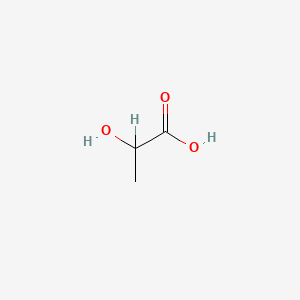
Postbiotic Ferment Lysates, represented by lactic acid, are expected to partition primarily into water and soil compartments, with very high mobility in soil and negligible volatilization from moist or dry surfaces. In the atmosphere, lactic acid exists as a vapor and degrades via hydroxyl radicals with an estimated half-life of 2.7 days; direct photolysis is not expected. In aquatic systems, adsorption to sediment is minimal, and hydrolysis is not a significant fate process. Biodegradation is a dominant fate pathway, with ready biodegradability confirmed in multiple screening tests, including a 76% theoretical BOD in a 2-week MITI test. These fate characteristics imply that environmental persistence is low, but mobility is high, which could influence groundwater exposure potential.
What do biodegradation, bioaccumulation, and ecotoxicity findings indicate for Postbiotic Ferment Lysates?
Biodegradation, bioaccumulation, and ecotoxicity findings indicate that Postbiotic Ferment Lysates, as represented by lactic acid, are readily biodegradable and have low bioaccumulation potential, with an estimated bioconcentration factor of 3. Ecotoxicity data show acute lethal concentrations to aquatic invertebrates and fish in the range of approximately 50,000 to 330,000 µg/L, indicating moderate to low acute toxicity. For example, 96-hour LC50 values were 329,120 µg/L for water fleas, 257,730 µg/L for tilapia, and 50,820 µg/L for oligochaetes. These values suggest that while high concentrations could be harmful, typical environmental releases are unlikely to reach such levels. The combination of ready biodegradability and low bioaccumulation supports a favorable environmental hazard profile.
Which environmental exposure pathways or concentrations are reported for Postbiotic Ferment Lysates?
No specific environmental concentrations for Postbiotic Ferment Lysates are reported in the available evidence. However, based on the production and use of lactic acid as an acidulant, food additive, and in various industrial applications, release to the environment through waste streams is possible. General population exposure may occur via ingestion of food and drinking water and dermal contact with consumer products. Occupational exposure may occur through dermal contact during production or use. The lack of measured environmental concentration data means that quantitative exposure assessment is not possible, but the high mobility in soil and water suggests that if released, the substance could spread widely, potentially reaching groundwater or surface water bodies.
How might use context or formulation affect the environmental profile of Postbiotic Ferment Lysates?
Use context and formulation can significantly affect the environmental profile of Postbiotic Ferment Lysates. As a component of personal care or food products, the lysate is likely to be disposed of down the drain, leading to wastewater treatment. The ready biodegradability of lactic acid suggests that it would be largely removed during biological treatment, reducing environmental loading. However, the presence of other ferment lysate components or formulation ingredients could alter the overall biodegradation or toxicity. Additionally, if used in agricultural or industrial settings, direct soil or water release could occur, and the high soil mobility could lead to groundwater contamination. The specific formulation and application method are critical determinants of actual environmental exposure and risk.
Which evidence gaps must be resolved before making sustainability claims about Postbiotic Ferment Lysates?
Before making sustainability claims about Postbiotic Ferment Lysates, several evidence gaps must be resolved. First, direct environmental fate and ecotoxicity data for the complete ferment lysate mixture are lacking; current evidence is based solely on lactic acid, which may not represent other components. Second, no measured environmental concentrations are available, preventing quantitative exposure assessment. Third, the biodegradation and bioaccumulation potential of the full mixture, including any metabolites or byproducts, is unknown. Fourth, the influence of formulation ingredients on environmental behavior has not been studied. Finally, the ecotoxicity of the lysate to terrestrial organisms and plants is not documented. Without these data, any sustainability claim regarding environmental safety would be unsupported.