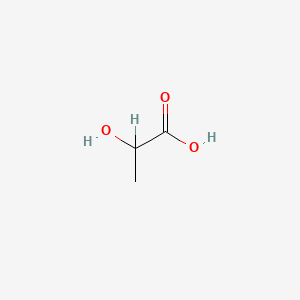
Regulations of Postbiotic Ferment Lysates

LACTOBACILLUS FERMENT FILTRATE

Identifiers

FormulaC3H6O3·CAS50-21-5·EC200-018-0·HS2918.11

Functions

SKIN Conditioning

Hazards

CorrosiveIrritant

How does the regulatory treatment of Postbiotic Ferment Lysates differ by market or product category?

Regulatory treatment varies by market and product category. In the EU, lactic acid is an active REACH-registered substance with ECHA C&L notifications, while in the US it is affirmed as GRAS for direct addition to human food and is TSCA-active. For cosmetics, the CIR Expert Panel concluded lactic acid is safe at ≤10% with pH ≥3.5 and sun-sensitivity precautions. In New Zealand, lactic acid lacks individual approval but may be used under a group standard. These distinctions mean compliance depends on the target market and intended use, such as food, cosmetics, or pesticide applications.

Which United States federal regulations apply to Postbiotic ferment lysates?

8 regulations

EPA TSCA Regulatory Flag

Propanoic acid, 2-hydroxy- is listed on the EPA's Chemical Data Reporting (CDR) system. Manufacturers and importers of Propanoic acid, 2-hydroxy- are required to report information about their production and use of this chemical to the EPA under the Toxic Substances Control Act (TSCA). (40 eCFR Part 711)

FIFRA Requirements

Lactic acid (2-hydroxypropanoic acid) is exempted from the requirement of a tolerance when used as a plant growth regulator in or on all raw agricultural commodities.

FDA Direct Food Additives

Regulatory records

EntryRegulationTypeStatusSource
178.101021 CFR 178.1010Food AdditiveauthorizedView
184.106121 CFR 184.1061Food AdditiveauthorizedView
133.12321 CFR 133.123Labeling StandardsauthorizedView
133.12421 CFR 133.124Labeling StandardsauthorizedView
133.12921 CFR 133.129Labeling StandardsauthorizedView
133.16921 CFR 133.169Labeling StandardsauthorizedView
133.17321 CFR 133.173Labeling StandardsauthorizedView
133.17821 CFR 133.178Labeling StandardsauthorizedView
133.17921 CFR 133.179Labeling StandardsauthorizedView

FDA 21 CFR Indirect Food Additives

Regulatory records

EntryRegulationTypeStatusSource
172.81421 CFR 172.814Food AdditiveauthorizedView

FDA GRAS Notices

Corrosive to skin; [Quick CPC] A skin and respiratory tract irritant; Corrosive to eyes; [ICSC] Causes burns to skin and eyes; Vapors cause eye and mucous membrane irritation and can cause coughing and difficulty breathing; [CHRIS] Safe when used as a flavoring agent in food; [JECFA] Corrosive to rabbit skin, mildly irritating to guinea pig skin, and not irritating to pig skin; Not sensitizing in a study of guinea pigs; A 13-week oral study of rats produced a NOAEL of 500 mg/kg/day (highest tested dose); Studies on reproductive and developmental toxicity not considered necessary because lactic acid is a product of human intermediary metabolism; [EPA ChAMP] A skin and strong eye irritant; [Aldrich MSDS]

FDA Food Contact Notifications

Food contact notifications

NotificationManufacturer / supplierIntended useLimitationsEffectiveStatus
1995
VValley Chemical Solutions
As an antimicrobial agent in process water, brine, or ice in the processing of meat and poultry.Components of the FCS mixture will not exceed: 1000 parts per million (ppm) PLA, 2480 ppm HP, 5.7 ppm HEDP, and 1.64 ppm DPA in process water or ice that contacts meat or poultry carcasses, parts, trim, and organs. 268 ppm PLA, 665 ppm HP, 1.53 ppm HEDP, and 0.44 ppm DPA in process water, ice, or brine that contacts processed and pre-formed meat and poultry.30 Oct 2019active
2242
EEvonik Active Oxygens, LLC
As an antimicrobial agent used in process water, ice, or brine used in the production, processing, and preparation of poultry, meat, processed and pre-formed meat and poultry, fruits, vegetables, fish, and seafood.The components of the FCS will not exceed: 2000 ppm PCA, 2480 ppm HP, and 136 ppm HEDP in process water, ice, or brine applied as a wash, spray, dip, rinse, chiller water, low-temperature (less than 40°F) immersion bath, or scald water for whole or cut poultry, including carcasses, parts, trim, and organs. 495 ppm PCA, 1180 ppm HP, and 29 ppm HEDP in process water, ice, or brine for washing, rinsing, or cooling processed and pre-formed poultry. 2000 ppm PCA, 2480 ppm HP, and 121.5 ppm HEDP in process water, ice, or brine applied as a wash, spray, dip, rinse, chiller water, low-temperature (less than 40°F) immersion bath, or scald water for whole or cut meat, including carcasses, parts, trim, and organs. 495 ppm PCA, 1180 ppm HP, and 33.5 ppm HEDP in process water, ice, or brine for washing, rinsing, or cooling processed and pre-formed meat. 600 ppm PCA, 1112 ppm HP, and 34 ppm HEDP in process water or ice used for washing, rinsing, chilling, or processing fruits and vegetables in food processing facilities. 230 ppm PCA, 280 ppm HP, and 15 ppm HEDP in process water, ice, or brine used during commercial preparation of fish and seafood in food processing facilities.28 Sept 2022active

FDA Technical Effects

Regulatory records

RegulationStatus
FDA Technical Effect: ANTIMICROBIAL AGENTauthorized
FDA Technical Effect: CURING OR PICKLING AGENTauthorized
FDA Technical Effect: FLAVOR ENHANCERauthorized
FDA Technical Effect: FLAVORING AGENT OR ADJUVANTauthorized
FDA Technical Effect: PH CONTROL AGENTauthorized
FDA Technical Effect: SOLVENT OR VEHICLEauthorized

DEA Listed Chemicals

SRP: Expired or waste pharmaceuticals shall carefully take into consideration applicable DEA, EPA, and FDA regulations. It is not appropriate to dispose by flushing the pharmaceutical down the toilet or discarding to trash. If possible return the pharmaceutical to the manufacturer for proper disposal being careful to properly label and securely package the material. Alternatively, the waste pharmaceutical shall be labeled, securely packaged and transported by a state licensed medical waste contractor to dispose by burial in a licensed hazardous or toxic waste landfill or incinerator.

What EU regulatory requirements apply to Postbiotic ferment lysates?

3 regulations

REACH Registered Substance

Status: Active Update: 04-01-2023 https://echa.europa.eu/registration-dossier/-/registered-dossier/5165

EFSA Legal Basis

Regulation (EC) No 178/2002 (amended)

Status Regulation (EC)

2004/129/EC

What regulations apply to Postbiotic ferment lysates in China?

1 regulation

IECIC Listed Ingredients (List I)

Published
24 Jun 2025
Effective
24 Jun 2025

Regulatory records

EntryRegulationTypeStatus
5649Inventory of Existing Cosmetic Ingredients in China (IECIC) IList Iauthorized

Conditions

Use in accordance with the Safety and Technical Standards for Cosmetics (STSC)

Record details

Inventory of Existing Cosmetic Ingredients in China (IECIC) I

professional use only
No

What regulations apply to Postbiotic ferment lysates in Australia?

1 regulation

The Australian Inventory of Industrial Chemicals

Chemical: Propanoic acid, 2-hydroxy-

What regulations apply to Postbiotic ferment lysates in New Zealand?

1 regulation

New Zealand EPA Inventory of Chemical Status

Lactic acid: Does not have an individual approval but may be used under an appropriate group standard

Which conditions, limits, and use contexts most affect a compliance assessment for Postbiotic Ferment Lysates?

Key conditions include concentration and pH limits for cosmetics: safe at ≤10% and pH ≥3.5 when formulated to avoid increasing sun sensitivity or with daily sun protection. For antimicrobial pesticide use on food-contact surfaces, the end-use concentration must not exceed 138 ppm. Lactic acid is also exempt from tolerance requirements as a plant growth regulator and as an inert ingredient in pesticide formulations. These limits are critical for formulation and labeling, and exceeding them could trigger additional safety data or regulatory classification.

What should be in place before a product containing Postbiotic Ferment Lysates is assessed for launch?

Before launch, documentation should confirm the ingredient's regulatory status in each target market. For the US, evidence of GRAS status for food use or TSCA compliance for industrial uses is needed. In the EU, REACH registration and classification under CLP must be verified. For cosmetics, formulation must meet the CIR safety parameters (≤10%, pH ≥3.5, sun protection directions). Additionally, if used in pesticide products, tolerance exemptions and concentration limits must be documented. Safety data, including toxicity studies, should support the specific use and exposure route.

Where does the available regulatory position stop short of supporting a decision on Postbiotic Ferment Lysates?

The available regulatory position is insufficient to fully support a decision because the evidence pertains to lactic acid, not the complete postbiotic ferment lysate. The lysate may contain other components with different regulatory profiles. Additionally, the evidence does not address specific product categories like dietary supplements or medical foods, nor does it provide exposure limits for the lysate. Therefore, a compliance assessment cannot be finalized without additional data on the lysate's composition and its specific regulatory status in each market.

Which recent regulatory changes or effective dates are material for Postbiotic Ferment Lysates?

The evidence indicates that the EU REACH registration for lactic acid was updated on 04-01-2023, reflecting an active status. This update is material for EU compliance, as it confirms the substance is registered. However, no other recent regulatory changes or effective dates are provided. For the US, the TSCA Chemical Data Reporting (CDR) requirement under 40 eCFR Part 711 is ongoing, and manufacturers/importers must report production and use data. These are the only time-sensitive elements identified.