Postbiotic Ferment Lysates Toxicity
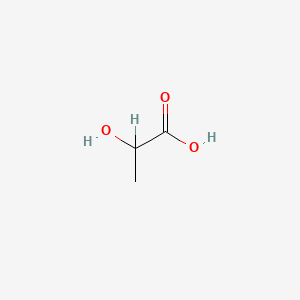
Identifiers
Functions
Hazards


What are the material safety considerations for Postbiotic Ferment Lysates?
The material safety profile for Postbiotic Ferment Lysates is dominated by skin and eye irritation hazards, with GHS classifications indicating severe skin burns (H314), skin irritation (H315), and serious eye damage (H318), all carrying a Danger signal word. Acute oral toxicity is moderate, with rat LD50 values of 3730 mg/kg and mouse LD50 of 4875 mg/kg, while inhalation toxicity is low (rat LC50 7.94 mg/L/4hr). These findings suggest the ingredient poses significant local irritancy risks but low systemic toxicity. Formulators should prioritize protective measures for handling and consider dilution or pH adjustment to mitigate irritation potential.
How should hazard classifications and toxicology findings for Postbiotic Ferment Lysates be interpreted together?
The GHS classifications and toxicology data should be interpreted together to indicate that Postbiotic Ferment Lysates present a primary hazard of local tissue irritation rather than systemic toxicity. The high notification ratios for H315 (87.5-89.9%) and H318 (91.9-99.7%) suggest consistent skin and eye irritation across studies, while the lower ratio for H314 (10.1-11.8%) indicates severe burns are less common but still possible. Acute oral LD50 values (1810-4875 mg/kg across species) point to moderate toxicity only at high doses. This combined profile supports handling precautions focused on dermal and ocular protection, with less emphasis on inhalation or ingestion controls.
Which exposure routes, dose contexts, or effects are material for Postbiotic Ferment Lysates?
Material exposure routes for Postbiotic Ferment Lysates include skin contact, eye contact, inhalation, and ingestion, with distinct effects per route. Skin exposure causes redness and pain, while eye exposure leads to redness, pain, and severe deep burns. Inhalation produces burning sensation, cough, sore throat, and shortness of breath, with a rat LC50 of 7.94 mg/L/4hr indicating low acute inhalation hazard. Ingestion results in sore throat, burning sensation, abdominal pain, cramps, nausea, and vomiting, with oral LD50 values ranging from 1810 mg/kg (guinea pig) to 4875 mg/kg (mouse). These effects are dose-dependent, with irritation being the most sensitive endpoint.
Which handling and risk-management measures are relevant for Postbiotic Ferment Lysates?
Relevant risk-management measures for Postbiotic Ferment Lysates include using personal protective equipment to prevent skin and eye contact, such as gloves, goggles, and protective clothing, given the Danger signal word and severe burn potential. Engineering controls like local exhaust ventilation are advisable to minimize inhalation exposure, though the low LC50 suggests limited acute inhalation risk. For cosmetic formulations, the CIR Expert Panel concludes that related acids are safe at concentrations ≤10% with final pH ≥3.5, when formulated to avoid increasing sun sensitivity or with daily sun protection instructions. These conditions should guide formulation limits and labeling.
Which safety evidence gaps should be resolved before making decisions about Postbiotic Ferment Lysates?
Before making decisions about Postbiotic Ferment Lysates, the primary evidence gap is the lack of ingredient-specific toxicological data; all available hazard classifications and toxicity values are derived from related acid compounds, not from the ferment lysate itself. Additionally, no exposure limits (e.g., OSHA, ACGIH) are available for this ingredient, and no cosmetic ingredient review has been conducted specifically for postbiotic ferment lysates. Resolving these gaps would require targeted skin and eye irritation studies, repeated-dose toxicity assessments, and establishment of occupational exposure limits to confirm the safety profile for intended uses.