“That’s why I started taking a daily gut-health gummy that combines prebiotics + probiotics + postbiotics in one (the whole “3-in-1” idea). I’m not into complicated routines...”
Postbiotics Consumer Sentiment
CtrlK
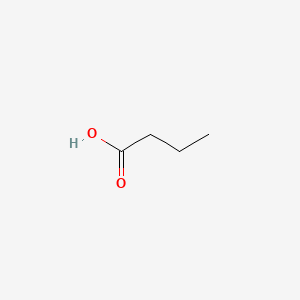
Identifiers
FormulaC4H8O2·CAS107-92-6·EC203-532-3
Functions
SKIN Conditioning - EmollientSKIN Conditioning
Hazards

How do consumers feel about products containing Postbiotics?
Positive
Mixed
Negative
Consumers view postbiotics as a scientifically backed, convenient evolution in gut and skin health, often preferring them or '3-in-1' formulas for their stability and comprehensive benefits.
Which consumer needs, benefits, and objections are associated with postbiotics?
Consumers primarily seek postbiotics for complete gut support, often preferring products that combine pre-, pro-, and postbiotics for a holistic approach. They value postbiotics for their stability and viability advantages over live probiotics, as they do not require surviving stomach acid or storage conditions. Benefits mentioned include supporting gut barrier function, fueling gut lining cells, and reducing inflammation, with some noting applications for skin and vaginal health. No explicit objections were found in the evidence, but the low confidence and limited negative feedback suggest a need for more consumer objection data.
What do consumers discuss about Postbiotics?
3-in-1 Convenience
Consumers strongly prefer supplements that combine pre-, pro-, and postbiotics into a single dose for simplicity and comprehensive gut support.
lemon8-app
tiktok
facebook
Skin Health Benefits
Postbiotics are increasingly recognized in skincare for improving hydration, reducing inflammation, and supporting the skin barrier.
instagram
tiktok
Functional Beverages
Consumers are adopting sodas and energy drinks containing postbiotics as a tasty, low-sugar alternative to traditional sugary beverages.
lemon8-app
Scientific Validation
Users cite research showing heat-killed bacteria (postbiotics) can be more effective than live probiotics for specific issues like blood sugar control.
facebook
youtube
Pet Health Applications
Pet owners are seeking postbiotic supplements for dogs and horses to manage digestive issues, bloating, and immune support.
facebook
tiktok
How are current products and patent claims responding to consumer concerns about postbiotics?
Current products are responding to consumer interest in complete gut support by offering synbiotic combinations that include prebiotics, probiotics, and postbiotics, as seen with Ritual's Synbiotic+ and Goli's pre-post-probiotic gummies. Brands are also leveraging postbiotics' stability by using nano-encapsulation to protect butyrate from stomach acid, addressing viability concerns. In skincare, products like Avène Cicalfate incorporate postbiotic complexes for calming irritated skin. No patent claims were available in the evidence, so the patent landscape remains uncharacterized.
What concerns do consumers raise about Postbiotics?
Confusion between dead bacteria and true postbiotics
facebook
Unclear definitions and marketing noise around 'biotics'
facebook
Where is the gap between consumer expectations and the current postbiotics offering?
The main gap is that consumer understanding of postbiotics is still emerging, with many describing them as 'byproducts' or 'metabolites,' yet expecting them to deliver benefits comparable to or better than live probiotics, such as blood sugar management and immune support. While products are beginning to offer synbiotic combinations and stability-enhanced formats, the evidence does not show clear communication of specific postbiotic strains or mechanisms, which could lead to confusion. Additionally, the lack of explicit consumer objections suggests that unmet needs may not yet be fully articulated in public discourse.
Which formulation approaches are being used to address those concerns around postbiotics?
Formulation approaches focus on enhancing stability and delivery. One brand uses nano-encapsulation of butyrate, a postbiotic, to resist stomach acid degradation, ensuring the compound reaches the gut intact. Another approach combines postbiotics with prebiotics and probiotics in a single product to provide comprehensive gut support, as seen in synbiotic formulations. In skincare, postbiotic complexes are blended with other soothing ingredients like thermal spring water and copper-zinc sulfate to address skin irritation. These approaches aim to deliver postbiotic benefits without the viability concerns of live bacteria.
What consumer-led opportunity or risk should researchers consider for postbiotics?
A clear opportunity lies in the consumer preference for 'complete' gut health solutions, as evidenced by the popularity of synbiotic products. Researchers should explore how postbiotics can be positioned as a stable, effective alternative to live probiotics, particularly for applications like blood sugar management and skin health, where consumer interest is emerging. The risk is that without clear education on what postbiotics are and how they differ from probiotics, consumers may conflate the two, leading to unrealistic expectations. Additionally, the lack of negative feedback in the evidence suggests a potential blind spot in understanding consumer skepticism.