Postbiotics Environmental Fate & Ecotoxicity
Identifiers
Functions
Hazards

What is known about the environmental fate of postbiotics?
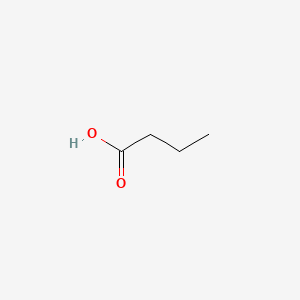
Postbiotic compounds like n-butanoic acid are expected to partition primarily into air and water, with high mobility in soil and slow volatilization from water or moist soil. In the atmosphere, they exist as vapor and degrade via hydroxyl radicals with an estimated half-life of 7 days. In aquatic systems, adsorption to sediment is low, and volatilization half-lives are estimated at 64 days for rivers and 471 days for lakes. The primary environmental fate processes are atmospheric oxidation and biodegradation, not hydrolysis or photolysis, given the lack of hydrolyzable functional groups and chromophores.
What do biodegradation, bioaccumulation, and ecotoxicity findings indicate for postbiotics?
Biodegradation and bioaccumulation findings indicate low persistence and low bioconcentration potential for n-butanoic acid. Aerobic biodegradation reached 72% theoretical BOD in 5 hours with activated sludge, and 76.6% in fresh water and 72.4% in sea water after 5 days; anaerobic degradation reached 100% in 7 days under specific conditions. The estimated BCF of 3.2 suggests low bioconcentration in aquatic organisms. Ecotoxicity values vary widely, with Daphnia magna LC50 values of 2,750 mg/L (24 hr) and 61 mg/L (48 hr), and bluegill LC50 values of 200 mg/L (24 hr) and 5,000 mg/L (24 hr for sodium salt), indicating moderate to low acute toxicity depending on species and test conditions.
Which environmental exposure pathways or concentrations are reported for postbiotics?
No quantitative environmental concentration data are reported for postbiotics in the supplied evidence. Qualitative exposure pathways are identified: release through waste streams from production and use in perfumes, pharmaceuticals, disinfectants, animal feeds, and other applications. Natural sources include fermentation in sediments, butter, essential oils, and animal fluids. General population exposure may occur via inhalation of ambient air, ingestion of food and drinking water, and dermal contact. Occupational exposure may occur through inhalation and dermal contact at production or use sites. No measured environmental concentrations in air, water, soil, or biota are provided.
How might use context or formulation affect the environmental profile of postbiotics?
Use context directly influences environmental release pathways. Production and use in perfumes, flavor ingredients, pharmaceuticals, disinfectants, emulsifying agents, animal feeds, and industrial applications (e.g., gasoline sweetening, varnishes, hide decalcification) may result in release through various waste streams. The chemical form matters: the sodium salt of n-butanoic acid showed a 25-fold higher LC50 (5,000 mg/L) in bluegill compared to the formulated product (200 mg/L), indicating formulation can substantially alter aquatic toxicity. The pKa of 4.82 means the compound exists primarily as an anion at environmental pH, which affects soil mobility and adsorption behavior.
Which evidence gaps must be resolved before making sustainability claims about postbiotics?
Before making sustainability claims, several evidence gaps must be resolved. No measured environmental concentrations in any media are available, preventing exposure assessment. Ecotoxicity data are limited to acute LC50 values for two aquatic species, with no chronic, reproductive, or ecosystem-level effects data. Biodegradation studies use activated sludge or sewage seeds, not natural environmental conditions, and do not address degradation in soil or sediment. Bioaccumulation is based on an estimated BCF, not measured data. The environmental fate evidence is specific to n-butanoic acid, not the broader class of postbiotics, which may include diverse compounds with different properties. These gaps preclude quantitative environmental risk characterization.