Regulations of Postbiotics

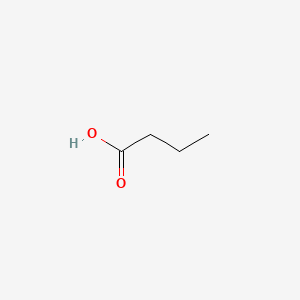
BUTYRIC ACID

Identifiers

FormulaC4H8O2·CAS107-92-6·EC203-532-3

Functions

Fragrance

Hazards

Corrosive

How does the regulatory treatment of postbiotics differ by market or product category?

Regulatory treatment of postbiotics varies by market and product category, with the available evidence focusing on butyric acid, a common postbiotic metabolite. In the US, butyric acid is FDA-listed as a synthetic flavoring substance generally recognized as safe for human consumption and for use in animal drugs, feeds, and related products under good manufacturing or feeding practice. In the EU, it is an active REACH registered substance with ECHA C&L notifications, indicating classification and labeling obligations. In Australia, it appears on the AICIS industrial chemicals inventory, while in New Zealand it lacks individual approval but may be used under a group standard. These differences imply that compliance requirements—such as food additive status versus industrial chemical registration—depend on the intended use and jurisdiction.

Which United States federal regulations apply to Postbiotics?

7 regulations

EPA TSCA Regulatory Flag

Butanoic acid is listed on the EPA's Chemical Data Reporting (CDR) system. Manufacturers and importers of Butanoic acid are required to report information about their production and use of this chemical to the EPA under the Toxic Substances Control Act (TSCA). (40 eCFR Part 711)

FDA Direct Food Additives

Regulatory records

EntryRegulationTypeStatusSource
182.6021 CFR 182.60Food AdditiveauthorizedView

FDA GRAS Notices

Synthetic flavoring substances and adjuvants /for human consumption/ that are generally recognized as safe for their intended use, withn the meaning of section 409 of the Act. Butyric acid is included on this list.

FDA Technical Effects

Regulatory records

RegulationStatus
FDA Technical Effect: ANTIOXIDANTauthorized
FDA Technical Effect: FLAVORING AGENT OR ADJUVANTauthorized
FDA Technical Effect: PH CONTROL AGENTauthorized

Clean Water Act Requirements

Butyric acid is designated as a hazardous substance under section 311(b)(2)(A) of the Federal Water Pollution Control Act and further regulated by the Clean Water Act Amendments of 1977 and 1978. These regulations apply to discharges of this substance. This designation includes any isomers and hydrates, as well as any solutions and mixtures containing this substance.

CERCLA Reportable Quantities

Persons in charge of vessels or facilities are required to notify the National Response Center (NRC) immediately, when there is a release of this designated hazardous substance, in an amount equal to or greater than its reportable quantity of 5000 lb or 2270 kg. The toll free number of the NRC is (800) 424-8802. The rule for determining when notification is required is stated in 40 CFR 302.4 (section IV. D.3.b).

Atmospheric Standards

This action promulgates standards of performance for equipment leaks of Volatile Organic Compounds (VOC) in the Synthetic Organic Chemical Manufacturing Industry (SOCMI). The intended effect of these standards is to require all newly constructed, modified, and reconstructed SOCMI process units to use the best demonstrated system of continuous emission reduction for equipment leaks of VOC, considering costs, non air quality health and environmental impact and energy requirements. Butyric acid is produced, as an intermediate or final product, by process units covered under this subpart.

What EU regulatory requirements apply to Postbiotics?

1 regulation

REACH Registered Substance

Status: Active Update: 27-07-2021 https://echa.europa.eu/registration-dossier/-/registered-dossier/13507

What regulations apply to Postbiotics in Canada?

1 regulation

DSL / NDSL

Published
04 May 1994
Effective
04 May 1994

Regulatory records

EntryRegulationTypeStatus
107-92-6SOR/94-311DSLauthorized

Conditions

This substance is on the Domestic Substances List (DSL). This substance was added to the DSL as an “Existing Substance” given that it meets the criteria set out in CEPA for substances that were in commerce in Canada between 1984 and 1986.

Record details

SOR/94-311

professional use only
No

What regulations apply to Postbiotics in Australia?

1 regulation

The Australian Inventory of Industrial Chemicals

Chemical: Butanoic acid

What regulations apply to Postbiotics in New Zealand?

1 regulation

New Zealand EPA Inventory of Chemical Status

Butyric acid: Does not have an individual approval but may be used under an appropriate group standard

Which United States federal regulations apply to Postbiotics?

1 regulation

New Jersey Worker and Community Right to Know Act

The New Jersey Worker and Community Right to Know Act requires public and private employers to provide information about hazardous substances at their workplaces. (N.J.S.A. 34:5A-1 et. seq.)

Which conditions, limits, and use contexts most affect a compliance assessment for postbiotics?

Key conditions and limits affecting compliance for postbiotics include use context (human food vs. animal feed vs. industrial chemical), concentration thresholds, and environmental release reporting. For butyric acid, the US FDA GRAS status applies only when used as a synthetic flavoring substance or adjuvant in accordance with good manufacturing or feeding practice. Under US EPA regulations, butyric acid is a hazardous substance under the Clean Water Act, with a CERCLA reportable quantity of 5000 lb (2270 kg) for release notification. It is also subject to TSCA Chemical Data Reporting for manufacturers and importers. In the EU, REACH registration is active, and ECHA C&L notifications aggregate GHS classifications. These factors—use-specific GRAS, release thresholds, and registration status—are critical for a compliance assessment.

What should be in place before a product containing postbiotics is assessed for launch?

Before launch, a product containing postbiotics should have documentation confirming the regulatory status of each active component in the target market. For butyric acid, this includes verifying FDA GRAS status for food or feed use, confirming REACH registration for EU market access, and checking TSCA reporting obligations for US manufacturers or importers. Additionally, environmental compliance documentation is needed, such as Clean Water Act hazardous substance designation and CERCLA reportable quantity awareness for spill response. For New Zealand, evidence of eligibility under a group standard is required, as individual approval is absent. This documentation ensures that the product meets use-specific conditions and avoids regulatory gaps.

Where does the available regulatory position stop short of supporting a decision on postbiotics?

The available regulatory position stops short of supporting a decision on postbiotics because it is limited to butyric acid, a single metabolite, and does not address the broader category of postbiotics, which may include other compounds, microbial fractions, or complex mixtures. The evidence provides no specific limits for postbiotic products, no guidance on novel food or dietary supplement classifications, and no clarity on how postbiotics are defined across jurisdictions. Additionally, the REACH registration and TSCA reporting are chemical-specific, not product-specific, leaving uncertainty about how these apply to finished consumer products. Therefore, a compliance decision cannot be fully supported without additional regulatory guidance or ingredient-specific data.

Which recent regulatory changes or effective dates are material for postbiotics?

A material regulatory change for postbiotics is the active REACH registration of butyric acid in the EU, updated on 27-07-2021, which indicates ongoing compliance obligations for manufacturers and importers. In the US, the TSCA Chemical Data Reporting rule (40 eCFR Part 711) requires manufacturers and importers of butanoic acid to report production and use data, reflecting current obligations under the Toxic Substances Control Act. These effective dates and statuses are relevant for ensuring up-to-date compliance, but the evidence does not indicate any recent changes to FDA GRAS status or other market-specific regulations. Companies should monitor these registrations and reporting cycles to maintain compliance.