Postbiotics Toxicity
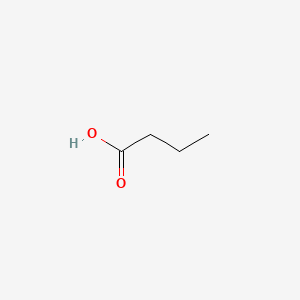
Identifiers
Functions
Hazards

What are the material safety considerations for postbiotics?
Postbiotics present material safety concerns including severe skin burns, eye damage, and acute toxicity via oral, dermal, and inhalation routes. GHS classifications include H314 (skin corrosion/irritation), H318 (serious eye damage), H302 (harmful if swallowed), H311 (toxic in contact with skin), H371 (organ toxicity), and H227 (combustible liquid). Acute toxicity data show rat oral LD50 of 8.79 g/kg and mouse intravenous LD50 of 800 mg/kg. These hazards require robust safety data sheets and handling protocols. The combustible liquid classification indicates fire risk, while organ toxicity warnings suggest potential systemic effects. Formulators must prioritize protective measures and clear labeling to mitigate these risks.
How should hazard classifications and toxicology findings for postbiotics be interpreted together?
The GHS classifications and toxicology findings together indicate that postbiotics are corrosive and acutely toxic, with the most severe risks being dermal and organ toxicity. The H311 (toxic in contact with skin) and H371 (organ damage) classifications are critical, while the H314 and H318 codes confirm severe local effects. The rat oral LD50 of 8.79 g/kg suggests moderate acute oral toxicity, but the mouse intravenous LD50 of 800 mg/kg indicates higher toxicity via systemic exposure. These findings imply that while ingestion may be harmful, dermal and inhalation exposures pose greater immediate dangers. Regulatory compliance requires full hazard communication, including signal words 'Danger' and appropriate pictograms.
Which exposure routes, dose contexts, or effects are material for postbiotics?
Material exposure routes for postbiotics include inhalation of vapor, skin contact, eye contact, and ingestion. Short-term exposure effects include corrosive damage to eyes, skin, and respiratory tract, with symptoms such as sore throat, cough, burning sensation, shortness of breath, and labored breathing upon inhalation. Skin exposure causes pain, redness, blisters, and burns; eye exposure can lead to severe deep burns and vision loss; ingestion results in burning sensation, abdominal pain, and shock or collapse. The substance can be absorbed through inhalation, and symptoms may be delayed. These effects are acute and severe, necessitating immediate first aid and medical attention.
Which handling and risk-management measures are relevant for postbiotics?
Relevant risk-management measures for postbiotics include storing in a cool, dry, well-ventilated area away from oxidizers, heat, and sunlight, with outside or detached storage preferred. First aid protocols emphasize immediate flushing of eyes and skin with water for at least 20-30 minutes, and for ingestion, do not induce vomiting due to corrosive risk. Inhalation exposure requires moving to fresh air and using respiratory protection for rescuers, with SCBA recommended. Contaminated clothing must be removed and isolated. These measures are critical to prevent severe burns and systemic toxicity. Emergency response plans may be required for transport in Canada.
Which safety evidence gaps should be resolved before making decisions about postbiotics?
Key safety evidence gaps for postbiotics include the absence of established exposure limits (e.g., OELs or TLVs) and lack of chronic toxicity or repeated-dose studies. The available data are limited to acute effects and single-dose LD50 values, with no information on carcinogenicity, reproductive toxicity, or sensitization. Additionally, the evidence does not specify the exact composition of postbiotics, which may vary, affecting hazard profiles. These gaps should be resolved through comprehensive toxicological assessments and exposure monitoring to support regulatory submissions and safe product development. Without these data, risk assessments remain incomplete, particularly for long-term occupational or consumer exposure.