“This purple powder isn’t just for science class —it’s a multi-use survival powerhouse... Start a Fire (with Glycerin)... Purify Water... Disinfect Wounds”
Potassium Permanganate Consumer Sentiment
CtrlK
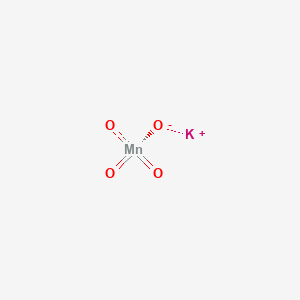
Identifiers
FormulaKMnO4·CAS7722-64-7·EC231-760-3·HS2841.61
Hazards


How do consumers feel about products containing Potassium permanganate?
Positive
Mixed
Negative
Consumers view Potassium Permanganate as a highly versatile and effective tool for survival, water purification, and medical/aquarium use, but express significant concern regarding its toxicity, staining potential, and environmental impact.
Which consumer needs, benefits, and objections are associated with potassium permanganate?
Consumers associate potassium permanganate with practical, necessity-driven uses: emergency water purification, hoof disease treatment in horses, and seed or soil disinfection in gardening. The primary benefit is its effectiveness as a powerful oxidizer and affordable treatment option. The main objection is temporary pink or purple water discoloration from overfeed at treatment plants, which causes alarm even when officials confirm safety. A minor objection is ineffectiveness against drug-resistant parasites in fish. Sentiment is neutral to positive, with no negative sentiment recorded, indicating acceptance of the ingredient's trade-offs when efficacy is demonstrated.
What do consumers discuss about Potassium permanganate?
Survival and Water Purification
Users highlight potassium permanganate as an essential survival tool for purifying water and starting fires, praising its long shelf life and multi-purpose utility.
facebook
youtube
Medical and Personal Care
In Thailand, consumers widely use the chemical for treating skin conditions, wounds, and hemorrhoids, valuing its antiseptic properties when used correctly.
lemon8-app
Aquarium and Pet Health
Aquarium enthusiasts use it to treat parasites and bacteria in fish tanks but emphasize that precise dosing is critical to avoid killing the fish.
facebook
Industrial and Environmental Impact
The chemical is associated with denim washing processes where it faces calls for bans due to environmental concerns, and municipal water treatment issues causing discoloration.
facebook
Gardening and Agriculture
Gardeners use diluted solutions to disinfect seeds and soil to prevent pests and diseases before planting.
tiktok
How are current products and patent claims responding to consumer concerns about potassium permanganate?
Current commercial products are not directly responding to consumer concerns; the only identified products are historical aircraft cleaners from 1986-1997, with no brands or recent formulations. Patent claims, however, address adjacent concerns. One patent family targets chemical permeation resistance in gloves using potassium permanganate as a high-valency manganese additive, directly responding to safety objections about barrier integrity. Another patent claims a wound dressing using permanganate-derived composites for oxygen generation and ROS scavenging, addressing health benefits. A food preservation bag patent uses permanganate for ethylene removal, responding to freshness needs. These are claimed approaches, not evidence of market adoption.
What concerns do consumers raise about Potassium permanganate?
Toxicity and risk of overdose killing fish or harming humans if not diluted properly
facebook
lemon8-app
Staining of skin, clothes, and surfaces due to its deep purple color
lemon8-app
Environmental harm from industrial use in denim washing leading to calls for bans
facebook
Water discoloration and consumer alarm when used incorrectly in municipal treatment
facebook
Where is the gap between consumer expectations and the current potassium permanganate offering?
The gap is between consumer trust in efficacy and the lack of modern, consumer-facing product formats. Consumers use potassium permanganate for water purification, hoof care, and gardening, but the only identified commercial products are historical aircraft cleaners. No current brands or consumer-packaged goods were found. Patent claims show advanced applications in gloves, wound dressings, and food packaging, but these are not yet products. Consumers expect accessible, safe-to-handle formats, yet the ingredient's strong oxidizing nature and staining potential create a formulation challenge that current commercial offerings have not visibly solved.
Which formulation approaches are being used to address those concerns around potassium permanganate?
Formulation approaches in patent claims focus on controlled incorporation and composite formation. One approach uses potassium permanganate as a manganese (+7) additive in latex formulations at 0.25-10.0 phr to improve permeation resistance in gloves. Another reacts permanganate with MXene to form composite nanoparticles for oxygen-producing, ROS-scavenging wound dressings. A third impregnates zeolite molecular sieves with 1-6% w/v aqueous permanganate to create ethylene scavengers for food packaging. A fourth uses permanganate ions in an epoxy gel with dihydrogen phosphate for anti-corrosion coatings on magnesium alloys. These approaches aim to harness oxidation or barrier properties while embedding the ingredient in matrices.
What consumer-led opportunity or risk should researchers consider for potassium permanganate?
The consumer-led opportunity is in developing controlled-release or pre-dosed formats that reduce staining and handling hazards while preserving efficacy. Consumers already trust the ingredient for water treatment and animal care, and patent claims show technical pathways for embedding permanganate in matrices for gloves, dressings, and packaging. The risk is that consumer alarm over discoloration and the ingredient's strong oxidizing nature could limit acceptance without clear safety communication. Researchers should prioritize formulations that minimize visible residue and provide clear dosing guidance, as the historical product record shows no recent consumer-facing innovation.