Potassium Permanganate Toxicity
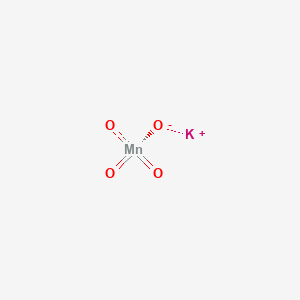
Identifiers
Hazards


What are the material safety considerations for potassium permanganate?
Potassium permanganate is a high-hazard substance requiring strict safety controls. It is classified as a dangerous oxidizer (H272) that may intensify fire, harmful if swallowed (H302), and corrosive to skin and eyes (H314, H318). It is also suspected of causing genetic defects (H341) and reproductive toxicity (H361D), and may cause organ damage through prolonged or repeated exposure (H372). Acute oral toxicity is moderate, with rat LD50 of 750 mg/kg. These classifications indicate that handling requires specialized training, appropriate PPE, and emergency response planning to prevent serious health and physical hazards.
How should hazard classifications and toxicology findings for potassium permanganate be interpreted together?
The GHS classifications and toxicology data together indicate that potassium permanganate poses both acute and chronic health risks. The acute hazards—corrosivity, respiratory irritation, and oral toxicity—are supported by exposure symptoms such as burning, coughing, and skin burns. The chronic hazards—suspected genetic defects, reproductive toxicity, and organ damage—are more severe and require long-term exposure controls. The high notification ratios for H272 (91.7%) and H302 (90.9%) suggest strong consensus, while lower ratios for H314 (48.5%) and H361D (28.8%) indicate less universal agreement. This means formulators should prioritize both immediate safety measures and long-term exposure monitoring.
Which exposure routes, dose contexts, or effects are material for potassium permanganate?
Potassium permanganate is hazardous via all exposure routes, with serious local effects. Inhalation causes burning, cough, and shortness of breath, with delayed lung edema possible. Skin contact leads to redness, burns, and pain; eye contact causes severe burns. Ingestion results in burning, abdominal pain, vomiting, and potential shock. Occupational exposure limits are set for manganese compounds: ACGIH TLV is 0.02 mg/m³ (respirable) and 0.1 mg/m³ (inhalable), while OSHA PEL ceiling is 5 mg/m³. These limits are critical for workplace air monitoring and respiratory protection programs.
Which handling and risk-management measures are relevant for potassium permanganate?
Handling potassium permanganate requires comprehensive risk management. As an oxidizer, it must be kept away from combustible materials and contaminated clothing should be removed immediately due to fire risk. First aid measures include flushing skin/eyes with water for at least 20 minutes, and for ingestion, inducing vomiting followed by gastric lavage and medical care. Given the corrosive and toxic nature, engineering controls like local exhaust ventilation and PPE (gloves, goggles, respirators) are essential. Emergency response plans should account for delayed symptoms and potential lung edema. The substance is also listed in Annex II of the EU Cosmetics Regulation, prohibiting its use in cosmetic products.
Which safety evidence gaps should be resolved before making decisions about potassium permanganate?
Key evidence gaps include the lack of specific occupational exposure limits for potassium permanganate itself, as current limits are based on manganese compounds. The reproductive toxicity classification (H361D) is based on animal tests, but human data are not provided. The potential for delayed lung edema after inhalation is noted, but the dose-response relationship is unclear. Additionally, the environmental hazard classifications (H400, H410) lack specific aquatic toxicity data. These gaps should be addressed through targeted toxicological studies and exposure assessments before finalizing safety protocols or regulatory submissions.