Turmeric Extract
Identifiers
Functions
Hazards

Where is turmeric extract used, and what role does it play in each application?
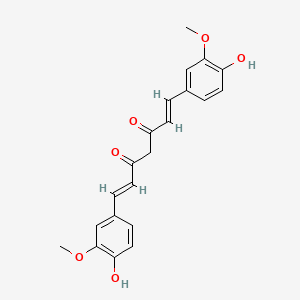
Turmeric extract functions as a natural colorant, flavoring agent, and bioactive ingredient across food, cosmetics, and therapeutic applications. In food, it is used as a spice, seasoning, and coloring agent, and is recognized as generally safe for these uses. In cosmetics, it serves as a fragrance and perfuming component. Therapeutically, curcumin, its primary active, is investigated for anti-inflammatory, antioxidant, and anticancer properties, with applications in joint health and skin-soothing formulations. Patent filings also propose its use in feed additives for joint disorders and in cosmetic essences for scalp nourishment.
Which product or formulation problem does turmeric extract address?
Turmeric extract addresses formulation needs for natural coloring and flavoring, providing a yellow-orange hue and seasoning properties. It also offers bioactive benefits, such as anti-inflammatory and antioxidant activity, which are leveraged in products targeting joint health and skin soothing. In therapeutic contexts, it is explored to overcome challenges like poor solubility and bioavailability through advanced delivery systems, such as nanoparticles and nanoliposomes, to enhance efficacy. Additionally, it can act as a chemosensitizer, potentially improving the effectiveness of existing drugs.
What supports the main commercial or clinical uses of turmeric extract?
Evidence for turmeric extract's main uses comes from its regulatory recognition as a safe food additive and flavoring, and its listing as a cosmetic fragrance ingredient. Preclinical and clinical investigations support its anti-inflammatory, antioxidant, and anticancer activities, with studies showing potential in treating conditions like cancer and Alzheimer's disease. However, these therapeutic uses are not universally approved, and evidence is largely from experimental models. Patent filings also describe compositions for joint disorder treatment and cosmetic applications, but these represent claimed approaches rather than proven commercial products.
How is Turmeric extract used clinically?
No approved therapeutic indications
Which formulation trade-offs should researchers consider for turmeric extract?
A key trade-off is curcumin's poor bioavailability due to low absorption, rapid metabolism, and systemic elimination, which limits therapeutic efficacy. Formulators must address this through delivery systems like nanoparticles or nanoliposomes to improve solubility and stability. In cosmetics, turmeric extract is used at low concentrations (1-2%) within plant extract complexes, requiring careful balancing with other actives. Its natural color and fragrance properties may also impact product aesthetics, necessitating formulation adjustments. Regulatory status varies by application, with food and cosmetic uses generally recognized, but therapeutic claims require more rigorous evidence.
What are the physicochemical properties of Turmeric extract?
| Property | Value | Category |
|---|---|---|
| Physical Description | Curcumin appears as orange-yellow needles, Orange-yellow crystalline powder, Orange-yellow solid; [Merck Index] Orange-yellow powder; [MSDSonline], Solid | Appearance |
| Color/Form | Orange-yellow, crystal powder; gives brownish-red color with alkali; light-yellow color with acids, Orange-yellow needles, Orange yellow prisms, rhombic prisms from methanol | Appearance |
| Solubility | Slightly soluble (hot), Insoluble in cold water, DARK RED; INSOL IN OIL DILL, VEGETABLE OIL; SOL IN OIL CLOVE; PARTLY SOL IN PROPYLENE GLYCOL, OIL CASSIA /TURMERIC/, Insoluble in water, Insoluble in ether; soluble in alcohol, glacial acetic acid, Very soluble in ethanol, acetic acid | Formulation Relevant Properties |
| Melting Point | 356 to 361 °F, 183, 179 °C-182 °C, 183 °C | Handling Relevant Properties |
| Density | 0.9348 at 59 °F - Less dense than water; will float | Handling Relevant Properties |
| Stability/Shelf Life | Stable under recommended storage conditions, Orange-yellow turmeric will hold shade better than lemon-yellow when exposed directly or indirectly to sunlight /turmeric/ | Handling Relevant Properties |
| Decomposition | Hazardous decomposition products formed under fire conditions. - Carbon oxides | Handling Relevant Properties |
| Refractive Index | INDEX OF REFRACTION: 1.5118 @ 20 °C/D; SPECIFIC 0PTICAL ROTATION: +14 DEG 4 MIN; SOL: 1:0.6 IN 90% ETHANOL /ESSENTIAL OIL OF CURCUMA LONGA/ | Analytical Properties |
| Collision Cross Section | 202.8 Ų [M+H]+ [CCS Type: DT; Buffer gas: N2; Ionization: APCI+; Dataset: TOXCAST; ], 187.7 Ų [M-H]- [CCS Type: DT; Buffer gas: N2; Ionization: ESI-; Dataset: TOXCAST; ], 175.94 Ų [M+H-H2O]+ [CCS Type: TW; Method: calibrated with polyalanine and drug standards], 198.5 Ų [M+H]+ [CCS Type: TW; Method: calibrated with polyalanine and drug standards], 178.82 Ų [M+Na-2H]- [CCS Type: DT; Method: single field calibrated with Agilent tune mix (Agilent)], 201.6 Ų [M+H]+ [CCS Type: DT; Method: single field calibrated with Agilent tune mix (Agilent)] | Analytical Properties |
| Other Experimental Properties | ESTER VALUE: 9.8; ESTER VALUE (AFTER ACETYLATION) 36.6; KETONES (CALCULATED AS TURMERONE): 53% /ESSENTIAL OIL OF C LONGA/, SPICY, FRESH ODOR REMINISCENT OF SWEET ORANGE & GINGER; SLIGHTLY PUNGENT, BITTER FLAVOR /CURCUMA LONGA EXTRACTS/, SLIGHTLY FLUORESCENT, SPECIFIC GRAVITY: 0.9348 AT 15 °C /ESSENTIAL OILOF CURCUMA LONGA/ | Analytical Properties |
Which formulation benchmark best contextualizes turmeric extract, and what differs?
A relevant benchmark is the use of turmeric extract in cosmetic essences, where it is incorporated at 1-2% in a plant extract complex alongside other soothing and nourishing ingredients. This contrasts with therapeutic applications, where higher concentrations or advanced delivery systems are needed to overcome bioavailability issues. The cosmetic benchmark highlights the ingredient's role as a supportive active, not a primary therapeutic agent, and emphasizes the importance of formulation synergy with other botanicals.