“Replenish skin's moisture with our body oil that is infused with turmeric extract. The formula deeply nourishes, moisturizes, and hydrates for radiant skin.”
Turmeric Extract Consumer Sentiment
CtrlK
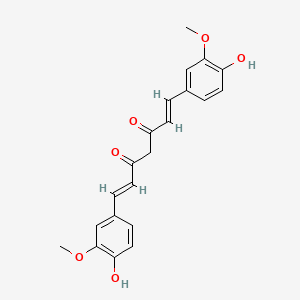
Identifiers
FormulaC21H20O6·CAS458-37-7·EC207-280-5
Functions
FragrancePerfuming
Hazards

How do consumers feel about products containing Turmeric extract?
Positive
Mixed
Negative
Consumers view turmeric extract as a powerful tool for reducing inflammation and brightening skin, but emphasize that bioavailability and pairing with black pepper are critical for it to actually work.
Which consumer needs, benefits, and objections are associated with turmeric extract?
Consumers primarily seek turmeric extract for anti-inflammatory and joint health benefits, with frequent mentions of reducing chronic inflammation, alleviating joint pain, and supporting mobility. They also value its role in skin brightening, immune support, and digestion, often in convenient formats like gummies or beverages. A key consumer need is enhanced bioavailability, with many emphasizing the importance of combining turmeric with black pepper extract (piperine) or using standardized high-curcuminoid formulations. No explicit objections were observed in the evidence, but the emphasis on absorption and standardization suggests implicit concerns about efficacy and potency.
What do consumers discuss about Turmeric extract?
Skin brightening and tone evening
Turmeric extract is heavily promoted in skincare routines to fade dark spots, reduce redness, and improve overall radiance.
facebook
lemon8-app
tiktok
Joint pain and inflammation relief
Users seek turmeric extract supplements specifically to manage arthritis, reduce chronic inflammation, and support joint mobility.
facebook
tiktok
Bioavailability and absorption challenges
Discussions frequently highlight that standard turmeric is poorly absorbed and emphasize the necessity of formulations with black pepper or advanced delivery systems to be effective.
facebook
lemon8-app
tiktok
Liver detox and digestive health
Consumers associate turmeric extract with liver support, detoxification protocols, and general digestive wellness.
instagram
facebook
lemon8-app
Safety and medication interactions
Discussions flag the need to consult doctors when taking blood thinners, specifically noting potential risks with over-the-counter cold remedies combined with turmeric supplements.
tiktok
lemon8-app
How are current products and patent claims responding to consumer concerns about turmeric extract?
Current products respond to consumer concerns by offering turmeric extract in convenient formats like gummies, liquid bitters, and beverage mixes, often combined with black pepper extract to address bioavailability. Brands also market proprietary blends claiming superior absorption and anti-inflammatory support. Patent claims, such as WO2026115432A1, propose compositions combining turmeric extract with cinnamon oil and thymol, along with other botanicals like boswellic acid and curcuminoids, for treating inflammatory and degenerative joint disorders via endocannabinoid system modulation. This indicates a formulation trend toward multi-ingredient synergy to enhance efficacy, though patent filings do not confirm market adoption.
What concerns do consumers raise about Turmeric extract?
Standard turmeric supplements often pass through the body unabsorbed, rendering them ineffective.
tiktok
lemon8-app
Turmeric extract may increase bleeding risk when combined with blood thinners or cold medicines like Coricidin.
tiktok
Topical turmeric can irritate sensitive skin or cause staining if left on too long.
lemon8-app
Where is the gap between consumer expectations and the current turmeric extract offering?
The gap lies in the disconnect between consumer expectations for high bioavailability and the actual delivery of curcumin. Consumers expect products to be standardized to high curcuminoid levels and combined with black pepper extract for maximum potency, yet not all products may meet these criteria. While some brands claim superior absorption, the evidence does not confirm whether these claims are substantiated. Additionally, consumers appreciate convenient formats, but the efficacy of these formats compared to traditional capsules is not established. This gap suggests an opportunity for products that transparently demonstrate bioavailability and efficacy.
Which formulation approaches are being used to address those concerns around turmeric extract?
Formulation approaches focus on improving bioavailability and efficacy. Consumers and brands highlight combining turmeric extract with black pepper extract (piperine) to enhance absorption, and using formulations standardized to contain at least 95% curcuminoids. Some products use proprietary blends claiming significantly higher bioavailability. Patent claims propose combining turmeric extract with cinnamon oil, thymol, and other active botanicals like boswellic acid and curcuminoids to modulate the endocannabinoid system for joint health. These approaches aim to address concerns about potency and absorption, though patent claims are not evidence of commercial use.
What consumer-led opportunity or risk should researchers consider for turmeric extract?
A consumer-led opportunity is to develop turmeric extract products that combine anti-inflammatory benefits with cognitive or immune support, as seen in blends with mushrooms or ginger. This aligns with consumer interest in multi-functional supplements. However, a risk is the potential for overpromising bioavailability without clinical substantiation, given consumer emphasis on absorption. Researchers should consider validating bioavailability claims and exploring synergistic combinations that meet consumer expectations for efficacy and convenience, while ensuring regulatory compliance for health claims.