Turmeric Extract Toxicity
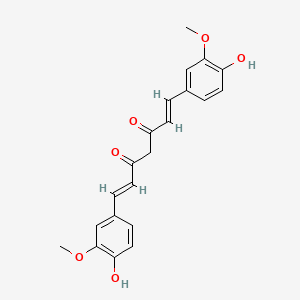
Identifiers
Functions
Hazards

What are the material safety considerations for turmeric extract?
Turmeric extract presents primarily irritant hazards, with GHS classifications for skin irritation (H315), serious eye irritation (H319), and respiratory irritation (H335), all carrying a Warning signal word. Acute oral toxicity is low, with LD50 values exceeding 2000 mg/kg in mice and rats for solid lipid curcumin particles and over 5000 mg/kg in rats for curcumin oil. However, curcumin is classified as DILI-positive in drug-induced liver injury assessments, indicating potential hepatotoxicity. These findings suggest the material is not acutely toxic but requires caution for irritant effects and liver safety in chronic exposure scenarios.
How should hazard classifications and toxicology findings for turmeric extract be interpreted together?
The GHS classifications and toxicology data should be interpreted as complementary: the Warning-level irritant classifications (H315, H319, H335) address acute contact hazards, while the DILI-positive classification and high oral LD50 values address systemic toxicity. The high LD50 values (>2000-5000 mg/kg) indicate low acute lethality, but the DILI-positive designation signals a more serious chronic risk that is not captured by acute classifications. Together, they suggest turmeric extract is safe for acute handling with proper PPE, but chronic oral exposure requires liver function monitoring. The 92-100% notification ratios for GHS classifications indicate strong consensus among notifying bodies.
Which exposure routes, dose contexts, or effects are material for turmeric extract?
Material exposure routes include dermal, ocular, respiratory, and oral pathways. Dermal and ocular contact produce irritation (H315, H319), while inhalation may cause respiratory irritation (H335). Oral exposure shows low acute toxicity with LD50 values exceeding 2000 mg/kg in mice and rats, and 5000 mg/kg in rats for curcumin oil. Subchronic oral studies in rats identified toxicity at 720 mg/kg, and reproductive toxicity studies used dietary concentrations of 1500-10,000 ppm. Zebrafish embryo and larvae LD50 values were 7.5 µM and 5 µM respectively, indicating aquatic toxicity. These dose contexts are critical for formulating safe exposure limits in occupational and consumer settings.
Which handling and risk-management measures are relevant for turmeric extract?
Handling measures should prioritize preventing skin, eye, and respiratory contact through engineering controls and PPE, given the H315, H319, and H335 classifications. First aid protocols require immediate eye flushing for 20-30 minutes, skin washing with soap and water, fresh air for inhalation, and no induced vomiting for ingestion. Storage should be in tightly closed containers in dry, well-ventilated areas at -20°C. For oral formulations, the DILI-positive classification warrants liver function monitoring in chronic use scenarios. These controls address both acute irritant risks and the more serious chronic hepatotoxicity concern identified in toxicology data.
Which safety evidence gaps should be resolved before making decisions about turmeric extract?
Key evidence gaps include the absence of established exposure limits, which prevents quantitative risk assessment for occupational or consumer exposure scenarios. The DILI-positive classification is based on curcumin rather than the full turmeric extract, creating uncertainty about whether the extract carries the same hepatotoxicity risk. No human toxicology data were provided, limiting extrapolation from animal studies. The reproductive toxicity study used dietary concentrations but did not identify a no-observed-adverse-effect level. These gaps should be resolved through targeted toxicological studies before making decisions about chronic oral use or setting exposure standards.