EPA TSCA Regulatory Flag
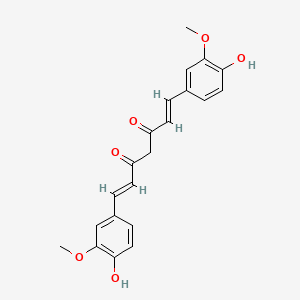
1,6-Heptadiene-3,5-dione, 1,7-bis(4-hydroxy-3-methoxyphenyl)-, (1E,6E)-: ACTIVE
Identifiers
Functions
Hazards

3 regulations
1,6-Heptadiene-3,5-dione, 1,7-bis(4-hydroxy-3-methoxyphenyl)-, (1E,6E)-: ACTIVE
Spices and other natural seasonings and flavorings that are generally recognized as safe for their intended use, within the meaning of section 409 of the Act. Tumeric (Botanical name of plant source: Curcuma longa L.) is included on this list. /Tumeric/
Sources
Natural dye from the root of Curcuma longa; [Merck Index] Used for preparing curcuma paper, detecting boron, dyeing and flavoring food, dyeing fabrics (cotton, wool, and silk), and coloring oils and waxes; Also used as a biological stain and acid-base indicator; [HSDB] Thought to be the most bio-active component in tumeric; [REPROTOX]
Sources
2 regulations
Regulation (EC) No 1333/2008 (amended)
Regulation (EC) No 1333/2008 (amended)
1 regulation
Chemical: 1,6-Heptadiene-3,5-dione, 1,7-bis(4-hydroxy-3-methoxyphenyl)-, (E,E)-
1 regulation
Curcumin: Does not have an individual approval but may be used under an appropriate group standard