Turmeric Extract Suppliers & Manufacturers
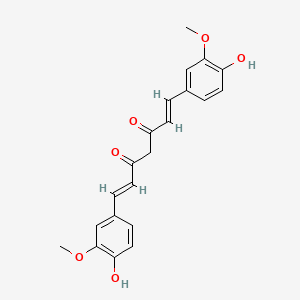
Identifiers
Functions
Hazards

What does available trade activity indicate for Turmeric extract?
Turmeric extract is classified under HS Code 1302.19. This falls under Chapter 13: Lac; gums, resins and other vegetable saps and extracts, specifically Heading 1302 (Vegetable saps and extracts; pectic substances, pectinates and pectates; agar-agar and other mucilages and thickeners, whether or not modified, derived from vegetable products), under subheading: Vegetable saps and extracts; n.e.c. in item no. 1302.1.
* The data below is specific to the HS code, not the ingredient.
Suppliers
1,393
Across 76 countries
Shipments
10,957
from 2015 to 2026
Total weight
165.3M kg
15,939 TEU · standard 20-foot container units
Last shipment
8 months ago
Last updated at Feb 25, 2026
Growth
↑ 45%
Trade under 1302.19 has increased by 45% over the past 6 months
What does trade activity suggest about the turmeric extract supply chain?
Trade activity under HS 1302.19 indicates a large, active global market for vegetable extracts, with 1,393 suppliers and 10,957 shipments totaling over 165,000 metric tons. This suggests a robust supply chain with substantial capacity. However, this data is not ingredient-specific; it includes a wide range of botanical extracts, not just turmeric. The presence of major flavor and fragrance houses (e.g., Symrise, Givaudan) and logistics providers further confirms the broad scope. For turmeric extract specifically, this signal is indirect, but the scale and diversity imply that sourcing options are likely plentiful, though verification of turmeric-specific suppliers is necessary.
What does the HS or HTS classification include, and where are its limits for turmeric extract?
HS code 1302.19 covers 'Vegetable saps and extracts; n.e.c. in item no. 1302.1', which is a broad category under Chapter 13 (Lac; gums, resins and other vegetable saps and extracts). This classification includes a wide variety of plant-derived extracts, not just turmeric. The limits are significant: activity under this code cannot be attributed to turmeric extract specifically. The data includes shipments of other botanicals, essential oils, and even non-extract products. Therefore, while this code is relevant to turmeric extract, it is not exclusive, and any supply-chain conclusions drawn from this data must account for this lack of ingredient specificity.
Which suppliers are associated with Turmeric extract trade?
| Supplier | Shipments | Top customer | Growth | Last shipment | |
|---|---|---|---|---|---|
No suppliers found. | |||||
How concentrated or diversified does the supplier landscape appear for turmeric extract?
The supplier landscape for turmeric extract appears highly diversified, with 1,393 suppliers across 76 countries. The top suppliers by shipment count include Omniactive Health Technologies (India), Chile Botanics (Chile), and Symrise (Germany), but their shipment volumes are small relative to the total (e.g., 195, 179, and 157 shipments out of 10,957). This indicates a fragmented market with no single dominant player. However, this diversification is for the entire vegetable extract category, not turmeric specifically. For turmeric, the actual supplier concentration could be different, but the data suggests a broad base of potential suppliers, reducing dependency risk.
Which supply risks or dependencies around turmeric extract require further diligence?
A key supply risk is the lack of ingredient-specific data; the trade evidence under HS 1302.19 does not confirm turmeric extract shipments, so any supplier identified here may not actually supply turmeric. This creates a risk of misidentifying sources. Additionally, the presence of logistics providers and non-botanical companies in the data suggests that some shipments may be misclassified or unrelated. Further diligence is required to verify turmeric-specific suppliers, their certifications, and product specifications. Also, the growth score of 49.6 indicates moderate growth, but this is for the entire category, not turmeric, so demand trends for turmeric specifically remain uncertain.
Which sourcing geographies and trade lanes appear most relevant to turmeric extract?
The most relevant sourcing geographies for turmeric extract, based on trade activity under HS 1302.19, are India, China, Mexico, Germany, and Brazil, which have the highest supplier counts and shipment volumes. India and China are particularly notable as major exporters of botanical extracts, with 186 and 229 suppliers respectively. Mexico and Brazil also show significant weight, suggesting large-volume flows. These lanes likely reflect general vegetable extract trade, not turmeric-specific. For turmeric, India is a primary origin for raw material, but this data cannot confirm that. The presence of European countries like Germany and France indicates processing and re-export hubs.
Which countries drive Turmeric extract trade activity?
By shipment count
China
1,699 shipments
229 suppliers
14.2M kg total weight
India
1,576 shipments
186 suppliers
14.7M kg total weight
Mexico
880 shipments
105 suppliers
17.3M kg total weight
France
816 shipments
87 suppliers
3.7M kg total weight
Germany
701 shipments
70 suppliers
14.8M kg total weight
South Korea
612 shipments
121 suppliers
3.1M kg total weight
Brazil
560 shipments
69 suppliers
31.4M kg total weight
Spain
409 shipments
60 suppliers
2.4M kg total weight
Chile
404 shipments
21 suppliers
3.3M kg total weight
Thailand
397 shipments
2 suppliers
6M kg total weight