“An upcycled natural Strawberry extract derived straight from fruit juice manufacturing. It delivers the most genuine and delicious Strawberry flavor with a naturally juicy and ripened red fruit fleshy effect.”
Upcycled Botanical Extracts Consumer Sentiment
CtrlK
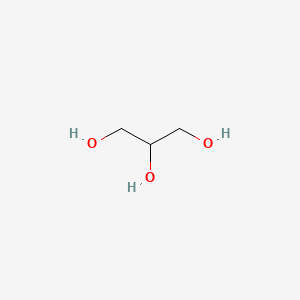
Identifiers
FormulaC3H8O3·CAS56-81-5·EC200-289-5·HS2905.45
Functions
DenaturantHAIR Conditioning +8 more
How do consumers feel about products containing Upcycled botanical extracts?
Positive
Mixed
Negative
Consumers view upcycled botanical extracts as a desirable, sustainable innovation that delivers effective skincare benefits while reducing waste.
Which consumer needs, benefits, and objections are associated with Upcycled Botanical Extracts?
Consumers associate upcycled botanical extracts with waste reduction and sustainability, viewing them as a way to turn manufacturing byproducts into valuable resources rather than landfill waste. Brands also highlight ingredient quality and efficacy, claiming that upcycled extracts retain genuine flavor profiles and potent compounds comparable to or better than conventional alternatives. No explicit consumer objections were observed in the available evidence, but the positive sentiment is based on only two brand sources, so the absence of objections should not be interpreted as a lack of concerns.
What do consumers discuss about Upcycled botanical extracts?
Sustainability and Waste Reduction
Consumers appreciate that upcycled ingredients transform food industry byproducts into valuable skincare components, supporting zero-waste initiatives.
facebook
youtube
pinterest
Skin Barrier Health and Hydration
Users highlight the ability of upcycled botanicals like oat powder to maintain moisture barriers and provide gentle nourishment for sensitive skin.
youtube
pinterest
Authentic Natural Flavor and Aroma
Consumers value the genuine sensory experience provided by upcycled extracts, noting they offer more authentic flavors compared to synthetic alternatives.
facebook
How are current products and patent claims responding to consumer concerns about Upcycled Botanical Extracts?
Current products respond to consumer sustainability concerns by marketing upcycled botanical extracts as derived directly from manufacturing byproducts, such as fruit juice residue and coffee grounds, framing them as 'one person's trash is another person's treasure.' Brands also emphasize that these extracts deliver genuine, high-quality flavor and efficacy, addressing potential quality skepticism. No patent claims were available in the evidence, so the response is entirely product-led, not patent-driven.
Where is the gap between consumer expectations and the current Upcycled Botanical Extracts offering?
The gap lies between consumer expectations for both sustainability and high-quality efficacy and the limited evidence of how upcycled botanical extracts deliver on those promises. While brands claim genuine flavor and potent compounds, no comparative data against conventional extracts or independent validation was observed. Additionally, the evidence does not address potential consumer concerns about consistency, supply chain reliability, or regulatory status, leaving a gap between the positive brand narrative and the substantiated offering.
Which formulation approaches are being used to address those concerns around Upcycled Botanical Extracts?
Formulation approaches focus on preserving the natural sensory and functional qualities of upcycled botanical extracts. For example, a strawberry extract derived from fruit juice manufacturing is positioned to deliver a 'genuine and delicious' flavor with a naturally juicy and ripened red fruit effect, suggesting that processing is designed to retain authentic taste and texture. Coffee grounds are similarly framed as a wasted resource that can be repurposed, implying extraction methods that recover value from byproducts. No specific formulation techniques or patent claims were disclosed in the evidence.
What consumer-led opportunity or risk should researchers consider for Upcycled Botanical Extracts?
The consumer-led opportunity is to build a brand story around waste reduction and resource recovery, as evidenced by the positive framing of upcycled extracts as 'treasure' from 'trash.' This narrative resonates with sustainability-minded consumers and can differentiate products. However, the risk is that without robust evidence of quality and efficacy, the claim may be perceived as greenwashing. Researchers should prioritize generating comparative data on performance and consistency to substantiate the sustainability story.