Upcycled Botanical Extracts Suppliers & Manufacturers
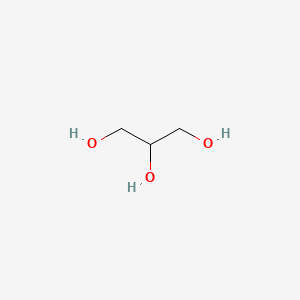
Identifiers
Functions
What does available trade activity indicate for Upcycled botanical extracts?
Upcycled botanical extracts is classified under HS Code 2905.45. This falls under Chapter 29: Organic chemicals, specifically Heading 2905 (Acyclic alcohols and their halogenated, sulphonated, nitrated or nitrosated derivatives), under subheading: Alcohols; polyhydric, glycerol.
* The data below is specific to the HS code, not the ingredient.
Suppliers
424
Across 41 countries
Shipments
6,243
from 2015 to 2026
Total weight
293.5M kg
18,799 TEU · standard 20-foot container units
Last shipment
8 months ago
Last updated at Feb 25, 2026
Growth
↑ 42%
Trade under 2905.45 has increased by 42% over the past 6 months
What does trade activity suggest about the Upcycled Botanical Extracts supply chain?
Trade activity under HS 2905.45 indicates a large, active supply chain centered on oleochemical and palm-oil-derived products, with 424 suppliers and over 6,200 shipments. This suggests robust infrastructure for botanical-derived materials, but the data is not ingredient-specific. The presence of major oleochemical producers and logistics providers implies that the supply chain is mature and capable of handling bulk shipments, yet direct evidence of upcycled botanical extract sourcing is absent. Businesses should treat this as a proxy for related material flows, not confirmation of specific ingredient availability.
What does the HS or HTS classification include, and where are its limits for Upcycled Botanical Extracts?
The HS/HTS classification 2905.45 covers glycerol, a polyhydric alcohol, and falls under acyclic alcohols and their derivatives. This scope is broad and includes industrial chemicals, glycerine, and other polyols, which may not relate to upcycled botanical extracts. The classification does not distinguish botanical origin or upcycled status, so trade activity under this code cannot be assumed to represent the target ingredient. This limits its utility for precise supply-chain analysis, and businesses must verify product-level details separately.
Which suppliers are associated with Upcycled botanical extracts trade?
| Supplier | Shipments | Top customer | Growth | Last shipment | |
|---|---|---|---|---|---|
No suppliers found. | |||||
How concentrated or diversified does the supplier landscape appear for Upcycled Botanical Extracts?
The supplier landscape appears moderately concentrated, with a few large oleochemical producers like Musim Mas, Ecogreen, and Oleon dominating shipment counts, while many smaller suppliers and traders contribute lower volumes. This suggests a mix of major manufacturers and niche players, offering both scale and potential diversification. However, the presence of logistics providers and traders indicates that the data captures intermediaries, not just producers. For upcycled botanical extracts, this structure implies that sourcing may require engaging both large suppliers and specialized botanical traders, but direct manufacturer identification is not possible from this data.
Which supply risks or dependencies around Upcycled Botanical Extracts require further diligence?
Key supply risks include the lack of ingredient-specific shipment evidence, meaning that trade activity under HS 2905.45 may not reflect upcycled botanical extracts. The dominance of palm-oil and oleochemical suppliers raises potential sustainability and regulatory concerns, though no UFLPA risk flags were noted. Geographic concentration in Southeast Asia could expose supply chains to regional disruptions. Further diligence is needed to verify whether specific suppliers, such as Reroot Organic or Aryan Food Ingredients, actually handle upcycled botanical extracts, and to assess their sourcing practices and certifications.
Which sourcing geographies and trade lanes appear most relevant to Upcycled Botanical Extracts?
The most relevant sourcing geographies are Southeast Asia, led by Indonesia, Malaysia, and Singapore, which account for the highest shipment volumes and supplier counts. Europe, particularly Belgium, Germany, and the Netherlands, also shows significant activity, likely as a hub for oleochemical processing and distribution. Latin American countries like Brazil and Argentina contribute notable volumes, suggesting diversified sourcing. These lanes indicate a global supply chain with strong Asian and European presence, but the data does not confirm that these flows involve upcycled botanical extracts specifically.
Which countries drive Upcycled botanical extracts trade activity?
By shipment count
Indonesia
1,460 shipments
47 suppliers
54.2M kg total weight
Malaysia
1,273 shipments
41 suppliers
42.9M kg total weight
Singapore
687 shipments
17 suppliers
25.7M kg total weight
Belgium
536 shipments
24 suppliers
16.7M kg total weight
Germany
356 shipments
25 suppliers
14.5M kg total weight
Brazil
340 shipments
34 suppliers
18M kg total weight
Argentina
250 shipments
10 suppliers
24.9M kg total weight
Netherlands Antilles
238 shipments
4 suppliers
54M kg total weight
China
218 shipments
59 suppliers
3.9M kg total weight
Netherlands
209 shipments
25 suppliers
8.5M kg total weight