Upcycled Botanical Extracts Toxicity
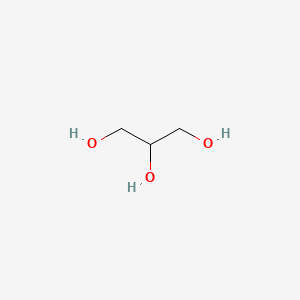
Identifiers
Functions
What are the material safety considerations for Upcycled Botanical Extracts?
The material safety considerations for Upcycled Botanical Extracts are primarily tied to the carrier compound glycerol, which shows low acute toxicity but requires attention to dust and mist exposure. Rat oral LD50 values range from 5.57 g/kg to 12.6 g/kg, and a dermal application of 18,700 mg/kg caused no deaths in rabbits, indicating low acute hazard. However, a DILIst classification flags glycerol as DILI-positive, suggesting potential liver toxicity with repeated exposure. Occupational exposure limits for glycerol mist are set at 10 mg/m³ (TWA) by ACGIH, with OSHA PELs of 15 mg/m³ (total dust) and 5 mg/m³ (respirable fraction). These limits should guide workplace monitoring and controls.
How should hazard classifications and toxicology findings for Upcycled Botanical Extracts be interpreted together?
Hazard classifications and toxicology findings should be interpreted together to distinguish acute lethality from chronic organ toxicity. The high oral LD50 values (5.57–12.6 g/kg) indicate low acute toxicity, but the DILIst 'DILI Positive' classification signals a potential for drug-induced liver injury, which is a distinct concern for repeated or high-dose exposure. The absence of GHS classification data means no standardized hazard statements are available, so reliance on LD50 and DILI data is necessary. Formulators should treat the extract as low acute risk but evaluate liver toxicity in long-term safety assessments, especially for oral or high-exposure applications.
Which exposure routes, dose contexts, or effects are material for Upcycled Botanical Extracts?
Material exposure routes for Upcycled Botanical Extracts include inhalation, oral, dermal, and subcutaneous pathways, based on glycerol data. Inhalation exposure is relevant in occupational settings, with an LC50 (rat) >570 mg/m³/1h and an OEL of 200 mg/m³ (inhalable fraction). Oral exposure shows low acute toxicity (LD50 12.6 g/kg), but ingestion may cause diarrhoea. Dermal exposure is less hazardous, as no deaths occurred in rabbits at 18,700 mg/kg, though dry skin is noted. Subcutaneous and intraperitoneal routes show lower LD50s (0.1 g/kg and 4.42 g/kg), indicating route-dependent toxicity. These findings support prioritizing inhalation controls and oral intake limits.
Which handling and risk-management measures are relevant for Upcycled Botanical Extracts?
Relevant risk-management measures for Upcycled Botanical Extracts should focus on controlling inhalation exposure to mists and dusts, given established occupational limits. Implement engineering controls to maintain airborne concentrations below the ACGIH TLV of 10 mg/m³ (8-hr TWA) for glycerol mist, and use respiratory protection if excursions exceed 3 times the TLV for more than 30 minutes. For dermal contact, standard protective gloves and clothing are advisable, though acute dermal toxicity is low. Given the DILI-positive signal, limit oral exposure and conduct liver function monitoring in occupational settings where ingestion is possible. These measures align with OSHA PELs and NIOSH recommendations.
Which safety evidence gaps should be resolved before making decisions about Upcycled Botanical Extracts?
Before making decisions, resolve the absence of GHS classification data for Upcycled Botanical Extracts, as this prevents standardized hazard communication. Additionally, clarify whether the DILIst 'DILI Positive' classification applies to the full extract or only glycerol, and obtain extract-specific toxicological data for oral, dermal, and inhalation routes. The current evidence is limited to glycerol, which may not represent the botanical components' safety profile. Also, determine if the extract contains any sensitizing or irritating compounds, as no skin or eye irritation data is available. These gaps are critical for regulatory submissions and occupational safety planning.