Ascorbic Acid Toxicity
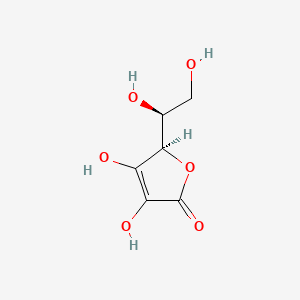
Identifiers
Functions
What are the material safety considerations for Ascorbic acid?
Ascorbic acid presents low acute toxicity, with rat oral LD50 values of 11,900 mg/kg and >5,000 mg/kg, and no evidence of carcinogenicity in NTP feed studies in rats and mice. It is not associated with drug-induced liver injury (DILI-negative) and is rated safe in current cosmetic practices. Inhalation of aerosol may cause cough, and eye contact may cause redness. These findings support a favorable safety profile for formulation use, though standard handling precautions for dust and eye contact remain prudent.
How should hazard classifications and toxicology findings for Ascorbic acid be interpreted together?
The toxicology data consistently indicate low hazard: high oral LD50 values, negative carcinogenicity bioassays, and a DILI-negative classification. The Cosmetic Ingredient Review finding of safety in current practices aligns with these results. The absence of GHS classifications in the evidence means no standardized hazard statements are available, but the existing data do not suggest acute or chronic toxicity concerns. Formulators can rely on this evidence to support safe use, while noting that regulatory classifications may still be required for labeling.
Which exposure routes, dose contexts, or effects are material for Ascorbic acid?
Material exposure routes are inhalation of aerosol (causing cough) and ingestion, with eye contact leading to redness. The substance can be absorbed by inhalation of aerosol and ingestion. Acute oral toxicity is low, and no significant systemic effects are indicated. For cosmetic use, dermal exposure is relevant given its function as a skin conditioning agent, but no dermal toxicity data were supplied. These exposure considerations are important for handling and first-aid planning, though they do not indicate high risk under normal use.
Which handling and risk-management measures are relevant for Ascorbic acid?
Handling measures should include protecting the substance from air and light, as solutions oxidize rapidly. First aid for eye contact involves flushing with water for 20–30 minutes; skin contact requires washing with soap and water; inhalation requires moving to fresh air; ingestion advises not inducing vomiting and seeking medical attention. These controls are standard for low-toxicity powders and solutions. Storage in sealed, light-protected containers is recommended to maintain stability and minimize degradation.
Which safety evidence gaps should be resolved before making decisions about Ascorbic acid?
Key evidence gaps include the absence of GHS hazard classifications and occupational exposure limits, which are critical for regulatory labeling and workplace safety. Additionally, no dermal toxicity or repeated-dose toxicity data were supplied, limiting assessment of chronic skin exposure. While the available data are reassuring, resolving these gaps would strengthen confidence in handling protocols and regulatory compliance for cosmetic formulations.