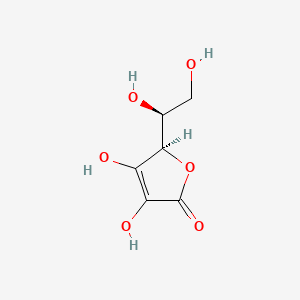
Regulations of Ascorbic Acid

ASCORBIC ACID

Identifiers

FormulaC6H8O6·CAS50-81-7·EC200-066-2·HS2936.27

Functions

AntioxidantBuffering +2 more

How does the regulatory treatment of Ascorbic acid differ by market or product category?

Regulatory treatment of ascorbic acid varies by market and product category. In the US, it is generally recognized as safe (GRAS) as a chemical preservative and nutrient in human food, and as a preservative and nutrient in animal drugs, feeds, and related products, when used per good manufacturing practices. It is also exempt from pesticide tolerance requirements under FIFRA. In the EU, it is a REACH-registered substance and has an active ECHA C&L notification. In Australia, it is listed on the industrial chemicals inventory. In New Zealand, it lacks individual approval but may be used under a group standard. In cosmetics, it is listed as active in the EU with functions including antioxidant and buffering, with no specific restrictions.

Which United States federal regulations apply to Ascorbic acid?

7 regulations

EPA TSCA Regulatory Flag

L-Ascorbic acid is listed on the EPA's Chemical Data Reporting (CDR) system. Manufacturers and importers of L-Ascorbic acid are required to report information about their production and use of this chemical to the EPA under the Toxic Substances Control Act (TSCA). (40 eCFR Part 711)

FIFRA Requirements

Unless specifically excluded, residues resulting from the use of the following substances as either an inert or an active ingredient in a pesticide chemical formulation, including antimicrobial pesticide chemicals, are exempted from the requirement of a tolerance under FFDCA section 408, if such use is in accordance with good agricultural or manufacturing practices. Ascorbic acid is included on this list.

FDA Direct Food Additives

Regulatory records

EntryRegulationTypeStatusSource
182.301321 CFR 182.3013Food AdditiveauthorizedView
182.801321 CFR 182.8013Food AdditiveauthorizedView
101.1421 CFR 101.14Labeling StandardsauthorizedView
101.921 CFR 101.9Labeling StandardsauthorizedView
107.10021 CFR 107.100Labeling StandardsauthorizedView
137.10521 CFR 137.105Labeling StandardsauthorizedView
137.20021 CFR 137.200Labeling StandardsauthorizedView
145.11021 CFR 145.110Labeling StandardsauthorizedView
145.11521 CFR 145.115Labeling StandardsauthorizedView
145.13521 CFR 145.135Labeling StandardsauthorizedView
145.17021 CFR 145.170Labeling StandardsauthorizedView
146.18521 CFR 146.185Labeling StandardsauthorizedView
146.18721 CFR 146.187Labeling StandardsauthorizedView
155.20021 CFR 155.200Labeling StandardsauthorizedView
155.20121 CFR 155.201Labeling StandardsauthorizedView
161.17521 CFR 161.175Labeling StandardsauthorizedView

FDA 21 CFR Indirect Food Additives

Regulatory records

EntryRegulationTypeStatusSource
172.28021 CFR 172.280Food AdditiveauthorizedView

FDA GRAS Notices

An antioxidant essential in the human diet; Used as an antioxidant for foods and therapeutic vitamin; [Merck Index] Used as an antioxidant and pH adjustor in cosmetics (over 75% in hair dyes and colors), for abscission of citrus fruit in harvesting, as a reducing agent in analytical chemistry, skin protectant, and UV sunscreen; [HSDB] Used in chemical synthesis; [IUCLID] Used as flavoring agent, antimicrobial agent, antioxidant, dough strengthener, nutritional supplement, pH control agent, sequestrant, and stabilizer or thickener for foods; [FDA] Permitted for use as an inert ingredient in non-food pesticide products; [EPA]

FDA Technical Effects

Regulatory records

RegulationStatus
FDA Technical Effect: ANTIMICROBIAL AGENTauthorized
FDA Technical Effect: ANTIOXIDANTauthorized
FDA Technical Effect: COLOR OR COLORING ADJUNCTauthorized
FDA Technical Effect: DOUGH STRENGTHENERauthorized
FDA Technical Effect: FLAVOR ENHANCERauthorized
FDA Technical Effect: FLAVORING AGENT OR ADJUVANTauthorized
FDA Technical Effect: NUTRIENT SUPPLEMENTauthorized
FDA Technical Effect: PH CONTROL AGENTauthorized
FDA Technical Effect: SEQUESTRANTauthorized
FDA Technical Effect: STABILIZER OR THICKENERauthorized

DEA Listed Chemicals

SRP: Expired or waste pharmaceuticals shall carefully take into consideration applicable DEA, EPA, and FDA regulations. It is not appropriate to dispose by flushing the pharmaceutical down the toilet or discarding to trash. If possible return the pharmaceutical to the manufacturer for proper disposal being careful to properly label and securely package the material. Alternatively, the waste pharmaceutical shall be labeled, securely packaged and transported by a state licensed medical waste contractor to dispose by burial in a licensed hazardous or toxic waste landfill or incinerator.

What EU regulatory requirements apply to Ascorbic acid?

3 regulations

REACH Registered Substance

Status: Active Update: 25-10-2012 https://echa.europa.eu/registration-dossier/-/registered-dossier/2848

EFSA Legal Basis

Regulation (EC) No 178/2002 (amended)

Status Regulation (EC)

Dossier complete 05/751/EC, Reg (EU) 2018/155, Reg. (EU) 2020/2007, Reg. (EU) 2022/489, Reg. (EU) No 149/2014

What regulations apply to Ascorbic acid in Canada?

1 regulation

DSL / NDSL

Published
11 Feb 2004
Effective
11 Feb 2004

Regulatory records

EntryRegulationTypeStatus
62624-30-0SOR/94-311DSLauthorized

Conditions

This substance is on the Domestic Substances List (DSL). This substance was added to the DSL as an “Existing Substance” given that it meets the criteria set out in CEPA for substances that were in commerce in Canada between 1984 and 1986.

Record details

SOR/94-311

professional use only
No

What regulations apply to Ascorbic acid in China?

1 regulation

IECIC Listed Ingredients (List I)

Published
24 Jun 2025
Effective
24 Jun 2025

Regulatory records

EntryRegulationTypeStatus
4092Inventory of Existing Cosmetic Ingredients in China (IECIC) IList Iauthorized

Record details

Inventory of Existing Cosmetic Ingredients in China (IECIC) I

professional use only
No

What regulations apply to Ascorbic acid in Australia?

1 regulation

The Australian Inventory of Industrial Chemicals

Chemical: L-Ascorbic acid

What regulations apply to Ascorbic acid in New Zealand?

1 regulation

New Zealand EPA Inventory of Chemical Status

Ascorbic acid: Does not have an individual approval but may be used under an appropriate group standard

Which conditions, limits, and use contexts most affect a compliance assessment for Ascorbic acid?

The most impactful conditions are the US FDA GRAS determinations for food and animal feed uses, which require adherence to good manufacturing or feeding practices. For pesticide uses, FIFRA exempts residues from tolerance requirements if used per good agricultural or manufacturing practices. In the EU, REACH registration is active, and the substance is subject to ECHA C&L notifications. No specific concentration limits or use restrictions are provided for cosmetics. The EPA Safer Chemical listing and TSCA CDR reporting obligations apply to manufacturers and importers. Storage separation from strong oxidants and bases is noted, and disposal of waste pharmaceuticals must follow applicable DEA, EPA, and FDA regulations.

What should be in place before a product containing Ascorbic acid is assessed for launch?

Before launch, confirm the product category and jurisdiction to determine applicable requirements. For US food or feed uses, ensure use aligns with GRAS conditions and good manufacturing practices. For pesticide products, verify FIFRA tolerance exemption applicability. For industrial uses, confirm TSCA CDR reporting obligations if manufacturing or importing. In the EU, ensure REACH registration is active and C&L notification is current. For cosmetics, verify the ingredient is listed as active in the EU inventory and that no specific restrictions apply. Also, review storage and disposal guidance, including separation from strong oxidants and bases, and proper waste handling for pharmaceuticals.

Where does the available regulatory position stop short of supporting a decision on Ascorbic acid?

The available regulatory position does not provide quantitative limits, exposure thresholds, or GHS classifications for ascorbic acid, which limits a full compliance assessment. For cosmetics, no maximum concentration or restriction conditions are specified, so safety assessment must rely on other sources. The New Zealand status indicates no individual approval, but group standard use is possible, leaving uncertainty about specific product eligibility. Additionally, the FDA notes inadequate data to establish safety and effectiveness for ascorbic acid in OTC weight control drug products, which is a specific limitation for that category. These gaps mean a decision cannot be fully supported without additional data.

Which recent regulatory changes or effective dates are material for Ascorbic acid?

The evidence indicates that ascorbic acid's EU regulatory status is active under REACH, with a dossier complete as of 2012, and it is referenced in several EU regulations including Reg (EU) 2018/155, 2020/2007, 2022/489, and No 149/2014. These regulations may represent recent amendments or updates relevant to its use. However, the specific content or effective dates of these regulations are not detailed in the evidence. For US, the TSCA CDR reporting requirement is ongoing, and the EPA Safer Chemical listing is current. No other recent changes or effective dates were provided.