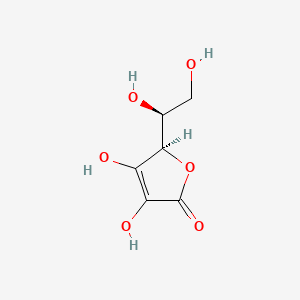
“Ascorbic Acid: Also known as Vitamin C, it is a powerful antioxidant that brightens the skin and protects it from environmental stressors.”
Ascorbic Acid Consumer Sentiment
CtrlK
Identifiers
FormulaC6H8O6·CAS50-81-7·EC200-066-2·HS2936.27
Functions
HAIR ConditioningSKIN Conditioning
How do consumers feel about products containing Ascorbic acid?
Positive
Mixed
Negative
Consumers view Ascorbic Acid as a highly effective, gold-standard ingredient for skin brightening and immune support, though they express significant concern regarding its instability and potential for irritation.
Which consumer needs, benefits, and objections are associated with Ascorbic acid?
Consumers primarily associate ascorbic acid with skin brightening, anti-aging, and immune support, while also valuing its practical use in food preservation. The main objection is that pure ascorbic acid can cause stinging, redness, or irritation, particularly for sensitive skin. This has led to a preference for gentler, stabilized derivatives. The business implication is a clear market pull for formulations that deliver the proven benefits of vitamin C without the irritation risk, creating an opportunity for products that can effectively communicate both efficacy and skin compatibility.
What do consumers discuss about Ascorbic acid?
Skin Brightening and Anti-Aging
Ascorbic Acid is widely praised by consumers for its ability to fade dark spots, even out skin tone, and boost collagen production for a youthful glow.
lemon8-app
tiktok
facebook
Instability and Oxidation
Consumers frequently warn that pure L-Ascorbic Acid is unstable, prone to oxidation when exposed to light or air, which reduces its efficacy and can turn the product yellow or brown.
lemon8-app
instagram
Irritation and Sensitivity
While effective, high concentrations of pure Ascorbic Acid are noted to cause stinging, redness, and dryness, leading many users with sensitive skin to prefer gentler derivatives.
lemon8-app
Immune Support and Supplements
In the supplement space, Ascorbic Acid is valued for boosting immunity, often combined with Zinc, with some users preferring non-acidic forms like Sodium Ascorbate to avoid stomach upset.
facebook
Derivatives vs. Pure Form
Consumers are increasingly exploring Vitamin C derivatives like Ethyl Ascorbic Acid and Sodium Ascorbyl Phosphate as more stable and less irritating alternatives to pure L-Ascorbic Acid.
lemon8-app
tiktok
How are current products and patent claims responding to consumer concerns about Ascorbic acid?
Current products and patent claims are directly responding to the key consumer concerns of irritation and instability. Commercial products often feature stabilized derivatives like 3-O-Ethyl Ascorbic Acid or combine ascorbic acid with soothing ingredients. Patent claims show a strong focus on formulation technologies to improve stability and reduce irritation, such as using liposomes, wax encapsulation, and specific polymer systems. This indicates the industry is actively working to deliver the benefits of ascorbic acid in formats that are both gentle and effective, though patents represent claimed approaches, not market adoption.
What concerns do consumers raise about Ascorbic acid?
Pure Ascorbic Acid oxidizes quickly when exposed to light, air, or heat, turning yellow/brown and losing potency.
lemon8-app
instagram
High concentrations of pure L-Ascorbic Acid can cause stinging, redness, and irritation, particularly for those with sensitive skin or compromised barriers.
lemon8-app
Oral Ascorbic Acid supplements can cause hyperacidity or stomach discomfort if taken in acidic forms on an empty stomach.
facebook
Where is the gap between consumer expectations and the current Ascorbic acid offering?
The primary gap lies in the trade-off between efficacy and tolerability. Consumers expect the potent brightening and anti-aging benefits of pure ascorbic acid but are often disappointed by the irritation it can cause. While many products offer gentler derivatives, these may be perceived as less effective. The evidence suggests a need for formulations that deliver the high efficacy of pure ascorbic acid in a way that is genuinely gentle enough for sensitive skin, without compromising on results, as current offerings often force a choice between the two.
Which formulation approaches are being used to address those concerns around Ascorbic acid?
Formulation approaches are heavily focused on stabilization and controlled delivery to address the instability and irritation concerns of ascorbic acid. Patent claims describe using encapsulation technologies like liposomes, wax-based oil dispersions, and nanocellulose structures to protect the active ingredient. Other approaches include creating cocrystals, using specific polymer combinations, and developing water-in-oil emulsions to maintain high concentrations without degradation. These methods aim to improve shelf-life, enhance skin penetration, and reduce the potential for irritation, directly tackling the primary consumer objections.
What consumer-led opportunity or risk should researchers consider for Ascorbic acid?
A significant consumer-led opportunity exists in expanding ascorbic acid's proven benefits beyond traditional skincare into adjacent categories. Consumer evidence shows appreciation for its use in food preservation, and patent claims explore applications in hair dye stabilization, chlorine removal in shower filters, and even pet care. This suggests a versatile ingredient with untapped potential. The risk is that focusing solely on skincare may overlook these emerging, high-value applications where consumers are already seeking the antioxidant and protective properties of ascorbic acid.