Ascorbic Acid Patent Landscape
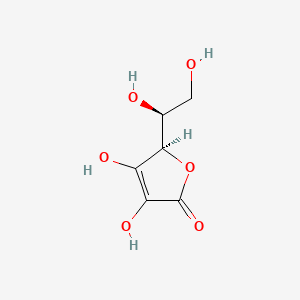
Identifiers
Functions
Which organizations and claims shape current development around Ascorbic acid?
L'Oréal is a dominant player, with multiple patents on stabilizing high-concentration ascorbic acid in transparent, aqueous, or anhydrous systems using cationic polymers, specific glycols, and combinations with ferulic acid or UV filters. Korean companies like Cosmax and Amorepacific are also active, focusing on oil-dispersed, water-in-silicone, and high-content formulations. Claims often specify concentration ranges (e.g., 5-30% ascorbic acid), pH ranges (e.g., 5-7), and specific co-ingredients like polyquaternium-67, carrageenan, or trimethylglycine. These claims are technical approaches, not evidence of product availability.
How is Ascorbic acid innovation changing in Cosmetics?
Monthly patent filings by domain
Which technical problems do recent patents address with Ascorbic acid?
Recent patents primarily address ascorbic acid's inherent instability and formulation challenges, including degradation, low solubility, and acid sensitivity. Specific technical problems include preventing oxidative decomposition in high-concentration aqueous systems, improving long-term storage and thermal stability in oil-dispersed formats, and reducing skin irritation or acid sensitivity. Patents also tackle the stabilization of ascorbic acid when combined with other actives like ferulic acid, often through extemporaneous mixing or encapsulation. A secondary problem is enhancing transdermal delivery and bioavailability, with claims for liposomes, solid lipid particles, and microneedles. These approaches are claimed as solutions, not proven commercial products.
How do recent patents change the role or application of Ascorbic acid?
Recent patents expand ascorbic acid's role beyond a simple antioxidant or anti-aging active to include specialized functional applications. It is now claimed as a reducing agent for in-situ generation of monovalent copper ions in wound care, a mitigation component to reduce 1,4-dioxane formation in surfactant preparations, a fluidizing agent for dermal fillers, and a browning-inducing agent in hair care. In cosmetics, it is positioned as a high-concentration active for skin brightening and anti-aging, with a focus on stabilizing it in novel delivery systems. This shift indicates a move towards leveraging its chemical properties for specific technical outcomes, not just general antioxidant benefits.
How is Ascorbic acid used in Cosmetics patents?
Which Cosmetics product categories feature Ascorbic acid in recent patents?
Which product categories and formulation strategies emerge in recent work on Ascorbic acid?
Emerging product categories include high-concentration serums, oil-dispersed balms, sunscreens, cleansers, and even feed additives for heat stress in cattle. Formulation strategies focus on stabilization and delivery: encapsulation in wax, liposomes, solid lipid particles, nanocellulose, and biopolymer complexes; use of anhydrous or non-aqueous systems; and extemporaneous mixing to prevent degradation. There is also a trend towards transparent, fatty-phase-free aqueous compositions with specific cationic polymers and pH control. These strategies aim to enable higher active loads and improve stability, with a notable emphasis on cosmetic applications.
Where is the evidence-backed white space for further development of Ascorbic acid?
Evidence-backed white space exists in non-cosmetic applications, where ascorbic acid's role as a reducing agent or process aid is emerging but less crowded. Patents show claims for reducing 1,4-dioxane in surfactants, fluidizing dermal fillers, and generating antimicrobial copper ions, suggesting opportunities in industrial, pharmaceutical, and wound care sectors. Additionally, while many patents focus on cosmetic stability, there is less evidence of work on oral or nutraceutical delivery systems beyond liposomal encapsulation. This suggests potential for developing novel oral formulations or exploring synergistic combinations with other actives in non-topical applications.