“Here's my version of just egg..made with mung bean flour... I have found that if the batter is too thin the scramble will not separate.”
Mung Bean Protein Consumer Sentiment
CtrlK
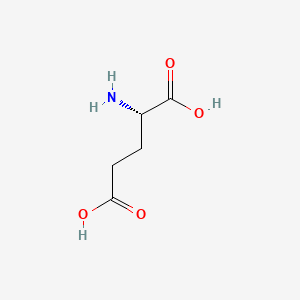
Identifiers
FormulaC5H9NO4·CAS56-86-0·EC200-293-7
Functions
AntistaticHAIR Conditioning +1 more
How do consumers feel about products containing Mung bean protein?
Positive
Mixed
Negative
Consumers view mung bean protein primarily as a versatile, effective plant-based alternative for eggs and cooking, with appreciation for its texture and nutritional profile, though some awareness exists regarding potential allergens.
Which consumer needs, benefits, and objections are associated with Mung bean protein?
Consumers associate mung bean protein with three primary benefits: versatility as a vegan egg substitute, clean-label protein powder attributes, and general nutritional value. Specifically, they value its ability to mimic egg texture and flavor in scrambles, its soy-free and gluten-free profile, and its digestibility without bloating. The main objection is economic, not sensory: industry experts note that mung bean protein struggles to achieve price parity with soy due to a lack of market for its byproducts, making it less commercially viable at scale. This cost concern is a serious barrier to broader adoption.
What do consumers discuss about Mung bean protein?
Vegan Egg Substitute
Mung bean flour is widely praised by consumers for its ability to mimic the texture and function of chicken eggs in scrambles and omelettes.
facebook
lemon8-app
pinterest
Nutritional Benefits
Users highlight mung beans as a high-protein, fiber-rich, and low glycemic index food suitable for health-conscious diets.
facebook
lemon8-app
Culinary Versatility
Beyond eggs, consumers discuss using mung bean products for noodles, cookies, and general cooking applications.
Flavor Challenges in Processing
Industry experts note that certain mung bean varieties have strong off-flavors (hexanol) that are difficult to mask in protein isolates.
youtube
How are current products and patent claims responding to consumer concerns about Mung bean protein?
Current products respond to consumer demand for clean, digestible plant protein by featuring mung bean in blends with brown rice and chia, highlighting 21 grams of protein per serving and no bloating. Patent claims address the versatility and functionality concerns by proposing mung bean protein for diverse applications: as a structural filler in fibrous meat substitutes via directional freezing, as a primary protein in plant-based yogurt, and as a gel-enhancing ingredient in low-salt chicken meatballs. These claims target texture and structure, not the cost objection.
What concerns do consumers raise about Mung bean protein?
Allergy risk due to cross-reactivity with nuts and Bet v 1 proteins
facebook
Strong off-flavors in processed mung bean protein isolates
youtube
Where is the gap between consumer expectations and the current Mung bean protein offering?
The gap lies between consumer appreciation for mung bean's sensory and nutritional qualities and the economic reality of its production. Consumers praise its egg-like texture and digestibility, but industry experts highlight that mung bean protein cannot achieve price parity with soy because its byproducts lack a market. This means the ingredient may remain a premium niche option rather than a mainstream staple, potentially limiting consumer access despite positive sentiment. The gap is economic viability, not product quality.
Which formulation approaches are being used to address those concerns around Mung bean protein?
Formulation approaches focus on improving mung bean protein's functional properties to meet consumer texture expectations. Patent claims describe ultrasound-assisted modification to enhance gel networks in meatballs and yogurt, pH-shifting and high-pressure homogenization for yogurt fermentation bases, and enzymatic hydrolysis for liposomal encapsulation in cosmetics. For fibrous meat substitutes, directional freezing creates aligned channels filled with mung bean protein to mimic meat texture. These methods aim to overcome the protein's structural limitations in egg, meat, and dairy analogues.
What consumer-led opportunity or risk should researchers consider for Mung bean protein?
The consumer-led opportunity is to leverage mung bean's positive association with digestibility and clean label status to differentiate products in the crowded plant protein market. The risk is that the cost disadvantage relative to soy could relegate mung bean to a premium positioning, limiting scale. Researchers should focus on valorizing byproducts to improve economics, as the current lack of a market for them is the primary stated barrier. Addressing this could unlock broader adoption beyond niche vegan and clean-label segments.