Mung Bean Protein Suppliers & Manufacturers
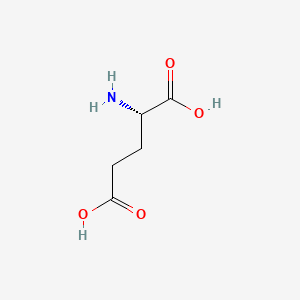
Identifiers
Functions
What does available trade activity indicate for Mung bean protein?
Mung bean protein is classified under HS Code 3504.00. This falls under Chapter 35: Albuminoidal substances; modified starches; glues; enzymes, specifically Heading 3504 (Peptones and their derivatives; other protein substances and their derivatives n.e.c. or included; hide powder, whether or not chromed), under subheading: Peptones and their derivatives; other protein substances and their derivatives n.e.c. or included, hide powder, whether or not chromed.
* The data below is specific to the HS code, not the ingredient.
Suppliers
780
Across 55 countries
Shipments
11,765
from 2015 to 2026
Total weight
269.7M kg
26,151 TEU · standard 20-foot container units
Last shipment
8 months ago
Last updated at Feb 25, 2026
Growth
↑ 45%
Trade under 3504.00 has increased by 45% over the past 6 months
What does trade activity suggest about the Mung bean protein supply chain?
Trade activity under HS 3504 shows a large, active protein-derivatives supply chain with 780 suppliers, 11,765 shipments, and roughly 270 million kg moved since 2015. The growth score of 50.2 indicates stable, moderate expansion over the recent 180-day window. However, this activity is not ingredient-specific; the classification includes gelatin, collagen, and other protein hydrolysates. For mung bean protein specifically, the signal is indirect—it confirms a robust infrastructure for protein substances but does not isolate legume-derived volumes. Business implication: sourcing teams should treat this as evidence of available protein-processing capacity, not as proof of mung bean protein market size or supplier readiness.
What does the HS or HTS classification include, and where are its limits for Mung bean protein?
HS code 3504 covers peptones, their derivatives, other protein substances not elsewhere specified, and hide powder. This is a broad category that includes hydrolyzed proteins, gelatin, collagen, and various plant and animal protein extracts. Mung bean protein, as a hydrolyzed Phaseolus radiatus protein, falls under this heading, but the classification does not distinguish it from gelatin, soy protein, or dairy hydrolysates. The limits are material: supplier lists are dominated by gelatin producers (Rousselot, Gelco) and starch manufacturers (Shoalhaven, Tereos), so any trade volume under 3504 cannot be attributed to mung bean protein without item-level customs data. Regulatory implication: classification alone cannot support ingredient-specific compliance or sourcing decisions.
Which suppliers are associated with Mung bean protein trade?
| Supplier | Shipments | Top customer | Growth | Last shipment | |
|---|---|---|---|---|---|
No suppliers found. | |||||
How concentrated or diversified does the supplier landscape appear for Mung bean protein?
The supplier landscape under HS 3504 is highly diversified, with 780 suppliers across 55 countries, but shipment activity is concentrated among a few large players. The top suppliers—Rousselot Gelatinas (1,484 shipments), Shoalhaven Starches (857), Gelco (566), Roquette (461), and Cosucra (415)—account for a significant share of volume. This suggests a two-tier structure: a handful of large protein processors dominate, while hundreds of smaller suppliers, many in China, contribute lower-volume, specialized activity. For mung bean protein, this means the market is likely fragmented with no single dominant producer visible in the data. Business implication: buyers have multiple potential sources, but due diligence is critical to distinguish true mung bean protein manufacturers from traders or gelatin producers.
Which supply risks or dependencies around Mung bean protein require further diligence?
Key supply risks include supplier identity ambiguity, legacy trader presence, and classification-driven conflation. Many suppliers with 'Bio Technology' or 'Protein' in their names (e.g., Dezhou Ruikang, Sichuan Shihong) may produce animal-derived hydrolysates or other plant proteins, not mung bean protein. Several high-volume suppliers show zero recent growth (Cosucra Group, Syral Belgium, Croda Chemicals), indicating they may be inactive or legacy entities, creating availability risk. Additionally, gelatin and starch producers dominate the classification, so relying on HS 3504 data alone could lead to false supplier identification. Further diligence should include direct product specification verification, facility audits, and confirmation of mung bean sourcing origins, particularly for Chinese suppliers where product mix is unverified.
Which sourcing geographies and trade lanes appear most relevant to Mung bean protein?
The most relevant geographies by shipment volume are Brazil (2,590 shipments), Belgium (1,876), China (1,666), Australia (963), and South Korea (764). China has the highest supplier count at 219, suggesting a fragmented supplier base, while Belgium and Brazil show concentrated activity from large protein processors like Roquette, Cosucra, and Rousselot. Australia's Shoalhaven Starches and South Korea's Geltech are notable active suppliers. For mung bean protein specifically, China's biotech and protein-named suppliers (Dezhou Ruikang, Dezhou Gushen) are plausible candidates, but the data cannot confirm their product mix. Trade lanes appear trans-Pacific and trans-Atlantic, with customers in the US and Mexico. Business implication: prioritize China and Belgium for supplier scouting, but verify product specificity through direct inquiry.
Which countries drive Mung bean protein trade activity?
By shipment count
Brazil
2,590 shipments
39 suppliers
35.5M kg total weight
Belgium
1,876 shipments
43 suppliers
52.6M kg total weight
China
1,666 shipments
219 suppliers
31.3M kg total weight
Australia
963 shipments
19 suppliers
48.5M kg total weight
South Korea
764 shipments
20 suppliers
14.7M kg total weight
Germany
437 shipments
39 suppliers
11.4M kg total weight
Spain
416 shipments
44 suppliers
9.4M kg total weight
Netherlands
383 shipments
37 suppliers
11.3M kg total weight
United Kingdom
342 shipments
25 suppliers
3.9M kg total weight
India
325 shipments
36 suppliers
8.7M kg total weight