Mung Bean Protein Patent Landscape
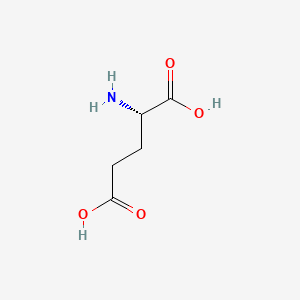
Identifiers
Functions
Which organizations and claims shape current development around Mung bean protein?
Key organizations include Jiangnan University (China) for plant-based yogurt and modified mung bean protein, New School Foods Inc. (Korea) for fibrous meat substitutes, Nu&Nu (Korea) for neurocosmetic liposomes, and Anabio Technologies Ltd. (Japan) for probiotic encapsulation. Claims focus on specific process steps: pH 9.0 extraction and pH 4.5 precipitation for protein isolation, ultrasound at 91.5 W for meatballs, and UHT treatment at 138.5°C for protein denaturation. These claims emphasize reproducible methods for enhancing protein functionality.
How is Mung bean protein innovation changing in Food & Beverage?
Monthly patent filings by domain
Which technical problems do recent patents address with Mung bean protein?
Recent patents address technical problems in protein functionality, including poor gelation, low solubility, and instability in food and cosmetic matrices. For example, ultrasound-assisted mung bean protein improves gel properties in low-salt chicken meatballs, while pH-shifting and enzymatic hydrolysis enhance protein modification for yogurt and liposome encapsulation. Another patent tackles fibrous texture creation in meat substitutes via directional freezing, using mung bean protein to fill aligned channels. These approaches aim to overcome structural and stability limitations, enabling broader application in plant-based foods and cosmetics.
How do recent patents change the role or application of Mung bean protein?
Mung bean protein's role shifts from a simple plant protein source to a functional ingredient for encapsulation, texture formation, and bioactive delivery. In cosmetics, it is hydrolyzed and encapsulated in liposomes to enhance alpha waves, indicating a move toward neurocosmetic applications. In food, it serves as a primary protein in plant-based yogurt and as a structural component in meat substitutes, where it helps form fibrous networks. This evolution reflects a broader trend of using mung bean protein for targeted functionality beyond basic nutrition.
How is Mung bean protein used in Food & Beverage patents?
Which Food & Beverage product categories feature Mung bean protein in recent patents?
Which product categories and formulation strategies emerge in recent work on Mung bean protein?
Emerging product categories include plant-based yogurt, low-salt meatballs, fibrous meat substitutes, microencapsulated probiotics, and neurocosmetic liposome compositions. Formulation strategies focus on physical and enzymatic modifications: ultrasound treatment, pH adjustment, high-pressure homogenization, and hydrolysis with enzymes like Viscozyme and Protana Prime. These methods improve gelation, solubility, and encapsulation stability. Concentration ranges vary, with mung bean protein used at 3-6% in yogurts and 5.3% in meatballs, while meat substitutes use broader ranges (2-50%) in combination with hydrocolloids and crosslinking agents.
Where is the evidence-backed white space for further development of Mung bean protein?
Evidence-backed white space exists in combining mung bean protein with other plant proteins and hydrocolloids for fibrous meat substitutes, as one patent lists numerous co-ingredients but does not specify mung bean's unique contribution. Another gap is in probiotic encapsulation, where mung bean protein is mentioned alongside pea protein but without detailed performance data. Additionally, neurocosmetic applications are nascent, with only one patent showing alpha wave enhancement. These areas suggest opportunities for differentiation through targeted formulation and efficacy studies.