Mung Bean Protein Toxicity
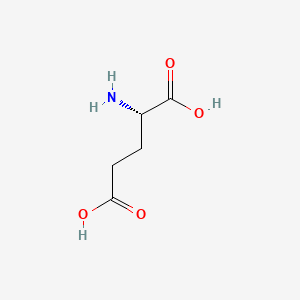
Identifiers
Functions
What are the material safety considerations for Mung bean protein?
Mung bean protein presents a low-severity skin corrosion/irritation hazard (GHS H314) and a warning-level serious eye damage hazard (GHS H318), both requiring a 'Danger' signal word. These classifications indicate that direct contact can cause severe skin burns and eye damage, which is material for formulation and handling. A Cosmetic Ingredient Review finding in rats concludes the ingredient is safe in present practices of use and concentration, providing a regulatory reference point. However, this safety conclusion is specific to cosmetic applications and does not automatically extend to other exposure contexts.
How should hazard classifications and toxicology findings for Mung bean protein be interpreted together?
The GHS hazard classifications and the Cosmetic Ingredient Review finding should be interpreted as complementary: the classifications identify acute contact hazards requiring precautionary labeling, while the CIR finding supports safety under defined cosmetic use conditions. The 'Danger' signal word for both H314 and H318 indicates that even low-severity classifications carry significant acute risk, so formulators should prioritize protective measures. The CIR safety conclusion is based on rat data and cosmetic use, so it does not negate the need for occupational exposure controls. Together, they suggest that mung bean protein is manageable with standard industrial hygiene practices.
Which exposure routes, dose contexts, or effects are material for Mung bean protein?
The material exposure route for mung bean protein is gastrointestinal absorption, as it is efficiently absorbed from the small intestine via active transport. This is relevant for oral ingestion scenarios, but the GHS classifications highlight dermal and ocular contact as primary hazard routes. No occupational exposure limits or inhalation data were provided, so airborne dust exposure cannot be characterized. For formulation, this means that while systemic absorption is efficient, the immediate safety concern is local irritation from skin or eye contact. Handling should focus on preventing direct contact rather than inhalation controls, unless dust generation is significant.
Which handling and risk-management measures are relevant for Mung bean protein?
Relevant risk-management measures include storing mung bean protein in a tightly closed container in a dry, well-ventilated place, as specified for related compounds. Given the GHS H314 and H318 hazards, handlers should use personal protective equipment to prevent skin and eye contact, such as gloves and safety goggles. The efficient gastrointestinal absorption suggests that ingestion controls, like good hygiene and avoiding food consumption in work areas, are also prudent. These measures are standard for ingredients with corrosive/irritant classifications and are sufficient for typical formulation and handling operations, though specific engineering controls were not provided.
Which safety evidence gaps should be resolved before making decisions about Mung bean protein?
Before making broader decisions, key evidence gaps include the absence of quantitative acute toxicity endpoints (e.g., LD50), occupational exposure limits, and inhalation toxicity data. The CIR finding is limited to cosmetic use and does not address chronic exposure or non-cosmetic routes. Additionally, the GHS classifications are based on related compounds, not necessarily mung bean protein itself, so confirmatory testing may be needed. Resolving these gaps would clarify whether the 'Danger' signal word is fully applicable and whether additional controls are required for industrial-scale handling or food applications.