Mung Bean Protein Environmental Fate & Ecotoxicity
Identifiers
Functions
What is known about the environmental fate of Mung bean protein?
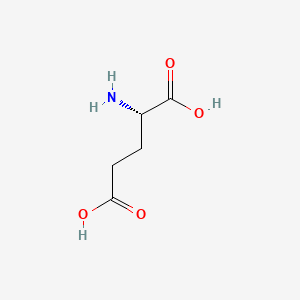
Mung bean protein's environmental fate is inferred from its amino acid components, particularly glutamic acid, which is readily biodegradable and highly mobile in soil and water. Glutamic acid achieves 90% degradation in 4 days and 97% in 28 days under OECD 301E, and is fully biodegraded anaerobically within 7 days. It has very high soil mobility (Koc ~13) and low adsorption to sediments, indicating potential for leaching. Volatilization is negligible due to ionic form and low vapor pressure. Atmospheric degradation occurs via hydroxyl radicals with a half-life of 9.4 hours. These properties suggest rapid environmental breakdown and transport, but direct data on intact mung bean protein are lacking.
What do biodegradation, bioaccumulation, and ecotoxicity findings indicate for Mung bean protein?
Biodegradation and bioaccumulation data for glutamic acid, a component of mung bean protein, indicate low environmental persistence and low bioconcentration potential. Glutamic acid is readily biodegradable in aerobic and anaerobic conditions, with 90% degradation in 4 days and complete anaerobic degradation in 7 days. The estimated BCF of 3 suggests low bioaccumulation in aquatic organisms. No direct ecotoxicity data are available for mung bean protein or glutamic acid in the supplied evidence. The rapid biodegradation suggests reduced long-term exposure risk, but the absence of ecotoxicity data prevents a full hazard assessment.
Which environmental exposure pathways or concentrations are reported for Mung bean protein?
No specific environmental concentrations or measured exposure levels are reported for mung bean protein. Indirect evidence from glutamic acid indicates potential release through waste streams from production and use as a nutritional supplement, and direct release from agricultural seed treatment applications. General population exposure may occur via ingestion of food and dermal contact with consumer products. However, quantitative environmental concentrations in air, water, or soil are not provided. The lack of measured data limits the ability to assess actual environmental exposure levels.
How might use context or formulation affect the environmental profile of Mung bean protein?
Use context can influence environmental release pathways. If mung bean protein is used in agricultural seed treatments, direct soil release is expected, where its amino acid components show high mobility and rapid biodegradation. In food or supplement applications, release occurs via wastewater, where biodegradation is also rapid. Formulation as a salt (e.g., sodium salt) may alter biodegradation rates, as seen with glutamic acid sodium salt achieving 78-87% CO2 evolution in 28 days. However, no direct data on mung bean protein formulations exist, so the impact of specific product matrices on environmental fate remains uncertain.
Which evidence gaps must be resolved before making sustainability claims about Mung bean protein?
Before making sustainability claims, direct environmental fate and ecotoxicity data for intact mung bean protein are required. Current evidence is limited to its amino acid components, primarily glutamic acid, which may not represent the protein's behavior. No ecotoxicity data exist for aquatic or terrestrial organisms. Quantitative environmental concentrations in relevant media are absent. Additionally, the influence of formulation and processing on biodegradation and mobility is unknown. Without these data, claims of environmental safety or sustainability cannot be substantiated.