Regulations of Mung Bean Protein

Mung bean protein

Identifiers

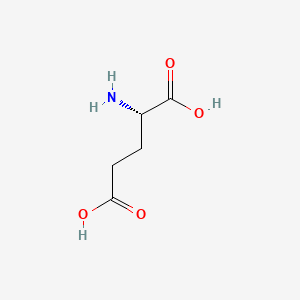
FormulaC5H9NO4·CAS56-86-0·EC200-293-7

How does the regulatory treatment of Mung bean protein differ by market or product category?

Regulatory treatment of mung bean protein varies by market and product category, but the available evidence pertains to L-glutamic acid, a component, not the whole protein. In the EU, L-glutamic acid is an active REACH registered substance and subject to ECHA C&L notifications, indicating industrial chemical oversight. In the US, it is an FDA food additive permitted for direct addition to food, with quantity limited to the amount needed for its technical effect, and it is also listed under TSCA for commercial activity reporting. In Australia, it appears on the industrial chemicals inventory, while New Zealand allows use under group standards without individual approval. These distinctions matter for food versus industrial applications.

Which United States federal regulations apply to Mung bean protein?

6 regulations

EPA TSCA Regulatory Flag

L-Glutamic acid is listed on the EPA's Chemical Data Reporting (CDR) system. Manufacturers and importers of L-Glutamic acid are required to report information about their production and use of this chemical to the EPA under the Toxic Substances Control Act (TSCA). (40 eCFR Part 711)

FIFRA Requirements

Residues of L-glutamic acid are exempted from the requirement of a tolerance when used in accordance with good agricultural practice as inert (or occasionally active) ingredients in pesticide formulations applied to growing crops only. Use: Plant nutrient. Limit: Seed treatment use only.

FDA Direct Food Additives

Regulatory records

EntryRegulationTypeStatusSource
182.104521 CFR 182.1045Food AdditiveauthorizedView

FDA 21 CFR Indirect Food Additives

Regulatory records

EntryRegulationTypeStatusSource
172.32021 CFR 172.320Food AdditiveauthorizedView

FDA GRAS Notices

Glutamic acid is a non-essential amino acid and an excitatory neurotransmitter; Used as a nutritional supplement; [Merck Index] Active product registrations in the US for use as a crop growth enhancer (increases yield, size and/or quality, etc.); [NPIRS] Used as a flavoring agent, nutritional supplement, and pH control agent for foods; [FDA] Permitted for use as an inert ingredient in non-food pesticide products; [EPA]

FDA Technical Effects

Regulatory records

RegulationStatus
FDA Technical Effect: FLAVORING AGENT OR ADJUVANTauthorized
FDA Technical Effect: NUTRIENT SUPPLEMENTauthorized
FDA Technical Effect: PH CONTROL AGENTauthorized

What EU regulatory requirements apply to Mung bean protein?

3 regulations

REACH Registered Substance

Status: Active Update: 31-03-2023 https://echa.europa.eu/registration-dossier/-/registered-dossier/12560

EFSA Legal Basis

Regulation (EC) No 1333/2008 (amended)

Status Regulation (EC)

Regulation (EC) No 1333/2008 (amended)

What regulations apply to Mung bean protein in Canada?

1 regulation

DSL / NDSL

Published
04 May 1994
Effective
04 May 1994

Regulatory records

EntryRegulationTypeStatus
56-86-0SOR/94-311DSLauthorized

Conditions

This substance is on the Domestic Substances List (DSL). This substance was added to the DSL as an “Existing Substance” given that it meets the criteria set out in CEPA for substances that were in commerce in Canada between 1984 and 1986.

Record details

SOR/94-311

professional use only
No

What regulations apply to Mung bean protein in Australia?

1 regulation

The Australian Inventory of Industrial Chemicals

Chemical: L-Glutamic acid

What regulations apply to Mung bean protein in New Zealand?

1 regulation

New Zealand EPA Inventory of Chemical Status

L-Glutamic acid: Does not have an individual approval but may be used under an appropriate group standard

Which conditions, limits, and use contexts most affect a compliance assessment for Mung bean protein?

The most impactful conditions and limits for compliance assessment are the FDA's food additive requirements: the quantity added must not exceed the amount reasonably required to achieve its intended physical, nutritive, or other technical effect, and the substance must be of appropriate food grade and handled as a food ingredient. Additionally, L-glutamic acid is generally recognized as safe when used as a salt substitute under good manufacturing practice. For pesticide applications, FIFRA exempts residues from tolerance requirements when used per good agricultural practices, with a seed treatment limit for plant nutrient use. These conditions directly affect formulation levels and intended use claims.

What should be in place before a product containing Mung bean protein is assessed for launch?

Before launch, a product containing mung bean protein should have documentation confirming the regulatory status of its constituent amino acids, particularly L-glutamic acid, in each target market. This includes verifying FDA food additive compliance, ensuring quantities align with the intended technical effect, and confirming food-grade quality. For EU markets, evidence of REACH registration status and any C&L notification obligations should be secured. For industrial uses, TSCA CDR reporting requirements may apply. Additionally, if used in pesticide formulations, FIFRA tolerance exemptions and good agricultural practice compliance must be documented. Without such evidence, regulatory assessment cannot be completed.

Where does the available regulatory position stop short of supporting a decision on Mung bean protein?

The available regulatory position stops short of supporting a decision on mung bean protein because all evidence pertains to L-glutamic acid, not the intact protein. There is no direct regulatory classification, approval, or safety determination for mung bean protein itself. The FDA's GRAS and food additive allowances apply to L-glutamic acid, and extrapolating these to a protein ingredient is not supported. Similarly, REACH registration and TSCA listings are for the chemical substance, not the protein. Therefore, a compliance decision cannot be made solely on this evidence; additional market-specific data on mung bean protein is required.